Festival-Proof Camping Furniture With Storage
By Amara Sengupta • 15th Mar
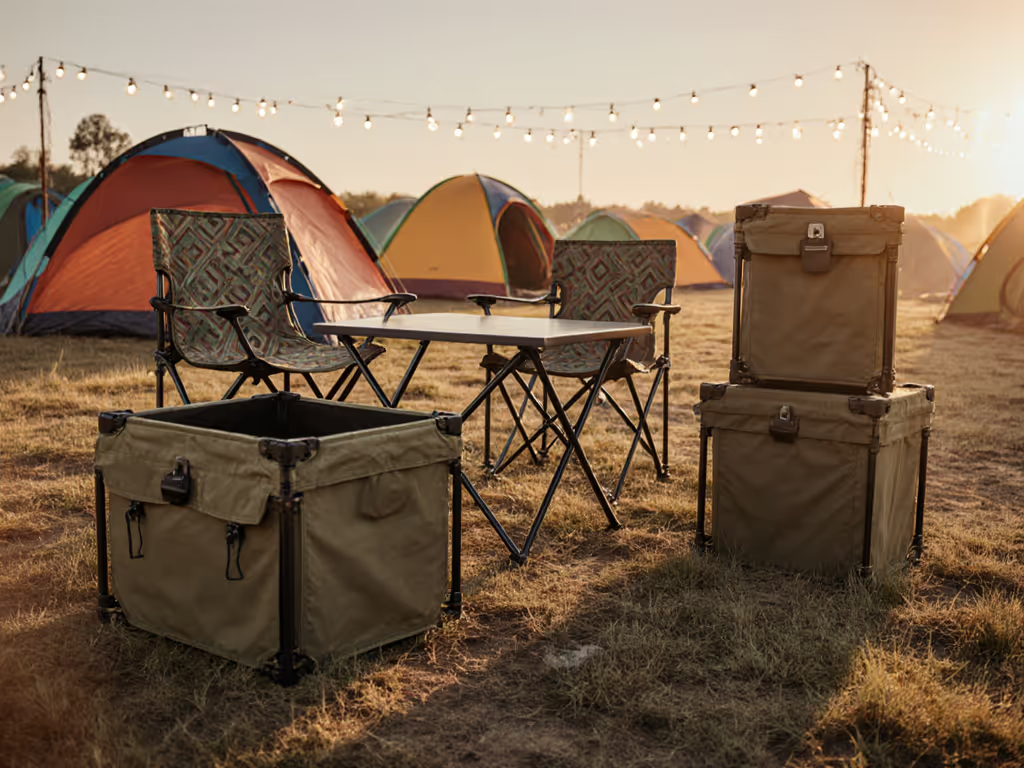
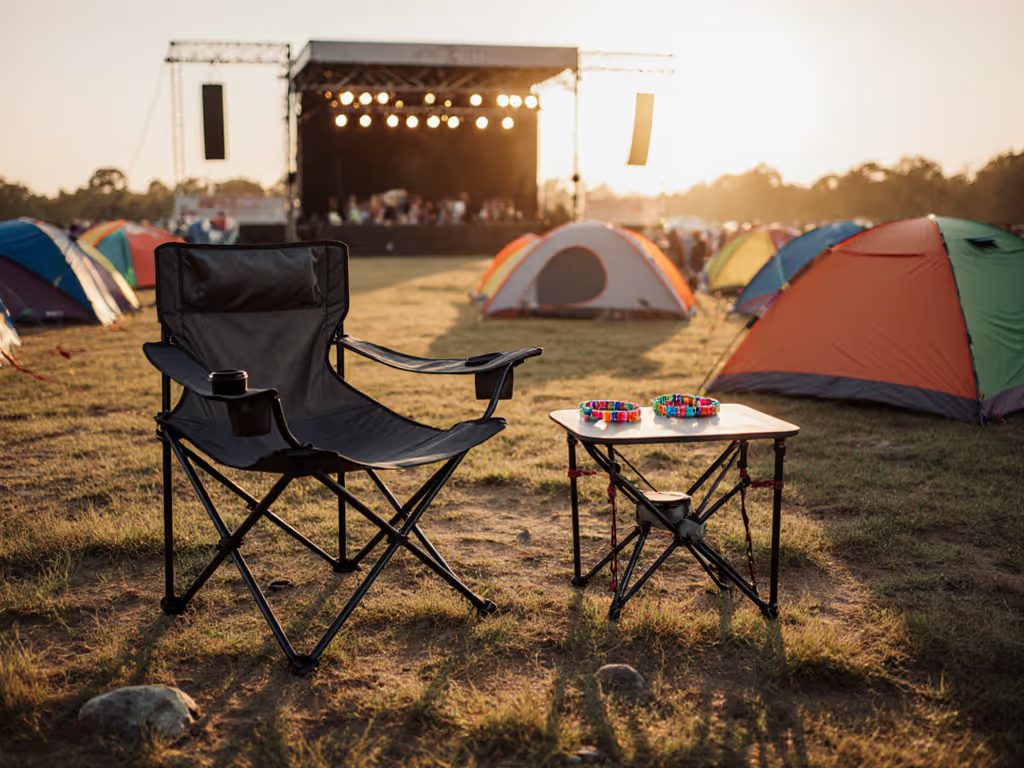
Festival-proof camping furniture and lockable camping gear aren't luxuries. They are the backbone of a setup that survives a weekend without falling apart. When you show up to a festival site in fading light with a car full of gear, mismatched chairs, a wobbly table, and nowhere to secure your valuables, you're already behind. The real cost isn't the price tag; it's the time wasted wrestling with unstable legs, the frustration of poor seating heights, and the regret of shoving another unplanned purchase into your return queue.
I learned this the hard way. Years ago, my first family camp was a clearance-bin collage: four chair heights, a wobbly table, and a bin that ate stakes. Dinner felt like juggling. Only after mapping heights and shared hardware (and swapping two pieces for modular ones) did setup time halve, conflicts vanish, and the endless cycle of cheap replacements stop. That's when I realized: spend once on fit, not twice on fixes and returns.
This guide walks you through the price-to-performance math of building a cohesive festival furniture system that packs tight, deploys fast, and holds up through variable terrain and guest counts. For product picks tailored to festivals, see our festival lockable furniture guide.
Why Matching Matters More Than Individual Gear Quality
Most campers shop for chairs, tables, and storage independently. A "good deal" on one item feels rational until it arrives home and doesn't align with the height of your table, the footprint of your cooler, or the nesting logic of your bins. You end up with a pile of functional-but-mismatched gear that creates friction at every camp.
The best value is a system that prevents second purchases. A well-matched loadout does three things:
- Reduces setup time: When heights align and hardware is compatible, you're deploying a camp, not solving a puzzle.
- Maximizes trunk efficiency: Nested furniture and modular bins waste no space; your cooler and water jugs fit alongside everything else.
- Scales for guests: Adding two friends doesn't mean hunting for a seat; you've already planned for flexible capacity and matching auxiliary tables.
This is price-to-performance framing at its core: a $200 chair that doesn't match your $180 table costs you more in cognitive load and wasted trips than a $150 chair paired with a $200 table designed to nest together.
The Lockable Foundation: Why Security and Stability Go Hand-in-Hand
At a festival, two things fail simultaneously: your stuff gets stolen, and your furniture gets knocked over. Lockable mechanisms address only the first threat, but the engineering that makes furniture lockable (reinforced joints, wide leg bases, heavy gauge materials) often solves the second.
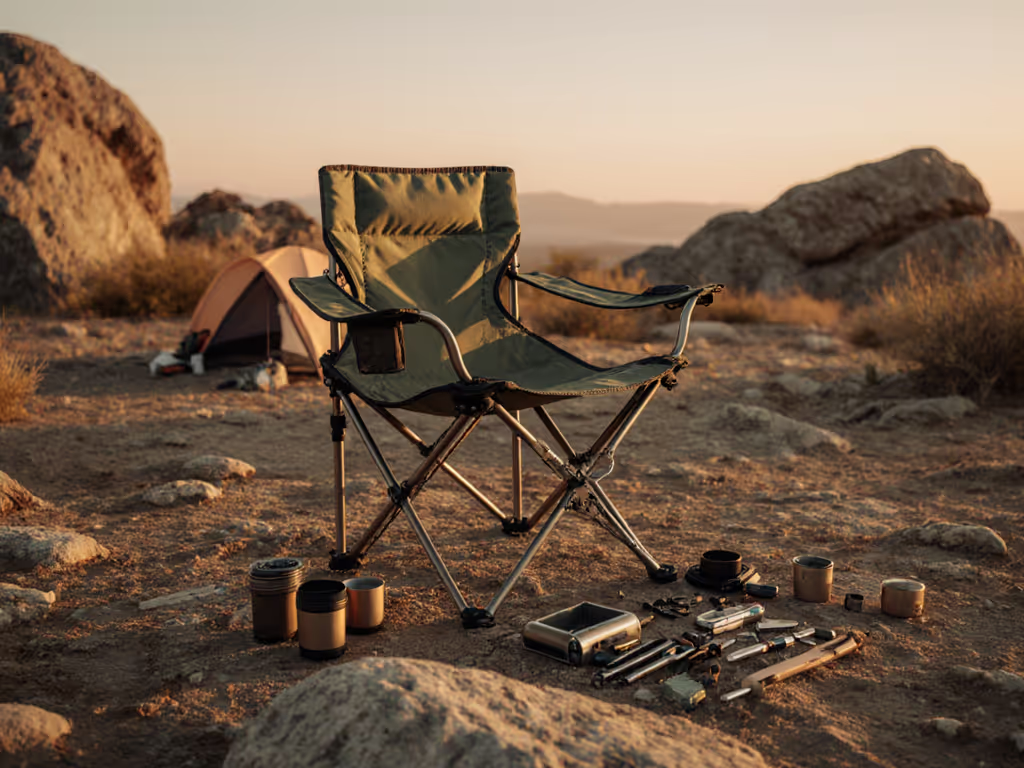
Lockable camping furniture works because it combines structural integrity with practical security. A chair with a bulletproof X-frame and legs that lock firmly in place doesn't teeter on rock or sand. A table with integrated locking features and a wide stance resists tipping even when kids or pets bump it. Bins with lockable lids keep gear secure from both theft and weather.
When you test furniture on uneven festival terrain, you quickly learn which designs are "theater" and which are functional. Simple mechanisms (no plastic connectors, no fiddly steps) matter more than flashy locking systems. The best lockable designs feel almost invisible: you unfold the chair, it settles firmly, and you move on.
Portable Festival Seats: Compact Enough, Strong Enough
Two standout options emerge when you balance packability, lockable stability, and group-friendly features.
The Ultracompact Choice: Sitpack Campster 2.0
If your vehicle is compact or you're walking a fair distance from parking, this chair delivers unbeatable space efficiency. It packs down to roughly 8.5" x 7", about the size of a 1.5 L water bottle, and weighs just 3.23 lbs, about 15% lighter than comparable chairs. That means it doesn't fight for space with your cooler or storage bins; instead, it nests in odd corners of your trunk that go unused with bulkier options.
The design folds smaller than any competitor tested while maintaining a lockable geometry that keeps the seat stable on uneven ground. Integrated storage pockets keep essentials (phones, keys, lip balm) within reach, so there is no more scrambling between setup and the first hour of the festival.
Tradeoffs:
- Pros: Folds smaller than competitors; integrated storage pockets; breathable 3D airflow fabric prevents sticky, sweaty feeling
- Cons: Lower weight capacity (265 lbs) limits group flexibility; no armrests for those who need leverage to stand; limited color options (black only)
This chair is ideal for solo travelers and small duos prioritizing packability and quick deployment. If your trip captain role is often solo or paired, and you value setup speed over maximum capacity, this is your buy-once option.
The Social Hub: ALPS Mountaineering King Kong
When your festival trips include family, friend groups, or older campers who need stable support to stand, the King Kong's 800-lb weight capacity and armrests change everything. Unlike compact ultralight chairs, this one doesn't ask you to sacrifice comfort or durability for pack size.
The strength lies in its simple X-frame design with legs that lock firmly into place (no additional steps, just unfold and settle). On rocky terrain where most chairs teeter, the wide leg base provides remarkable stability. Steel-on-steel construction shows no wear after multiple setups; plastic connectors that snap in cheaper chairs simply don't exist here. Even the dual mesh cup holders are lockable features in practice: they keep beverages secure during vibrations and crowd movement.
It does demand more trunk space. Folded dimensions are 39.84 x 7.64 x 7.4 inches, bulkier than the Sitpack but still manageable. The backpack-style carry bag with adjustable straps transforms it into a comfortable load while navigating crowded festival grounds, a practical feature that adds real value to the carrying experience.
Tradeoffs:
- Pros: Holds up to 800 lbs; armrests provide comfortable support; multiple pockets keep essentials organized and accessible
- Cons: Heavier (6 kg) makes it less ideal for long walks from parking; takes longer to set up (about 15 seconds); bulkier packed size competes with cooler space
A critical hidden cost alert: The King Kong's durability means almost zero replacement costs over time, with consistent performance over 3-5 festival seasons. However, its weight means you might sacrifice some cooler space or packing efficiency, which could indirectly impact your food and beverage planning. For group trips or multi-weekend trips per season, this math favors the King Kong; for one-off solo festivals, the Sitpack wins.
Compact Festival Storage: Securing and Organizing Your Basecamp
A lockable chair keeps people seated and secure, but compact festival storage solves the second half of the problem: where do phones, wallets, medications, tools, and group supplies actually go? Piled on the ground, they scatter with wind, get kicked over, or disappear.
Festival-appropriate storage bins prioritize three qualities:
- Lockable design: A key or combination lock deters casual theft; a weatherproof seal keeps damp out.
- Compact footprint: The bin doesn't dominate camp or fight for trunk space alongside furniture.
- Modular nesting: Multiple bins stack or nest to maximize vertical space without spreading clutter horizontally.
Rubbermaid and Keter outdoor storage boxes are industry standards for balancing durability and footprint. They are made from weather-resistant polypropylene that won't peel, decay, or fade under sun and moisture, unlike natural wood, which requires maintenance. Lockable lids and handles rated for repeated opening and closing mean they survive 3+ seasons of festival use.
For overlanders and van-based campers, RUX rigid storage bins (70 L and larger) offer clear visibility and weather protection without the weight of hard plastic. The appeal is practical: instead of carrying a ton of things loose or in smaller backpacks, you gather everything into one sealed container, reducing trips and increasing efficiency. They are weatherproof, so if you throw them in a truck bed, everything inside stays dry and dust-free.
Storage Paired With Seating: The Zone-Based System
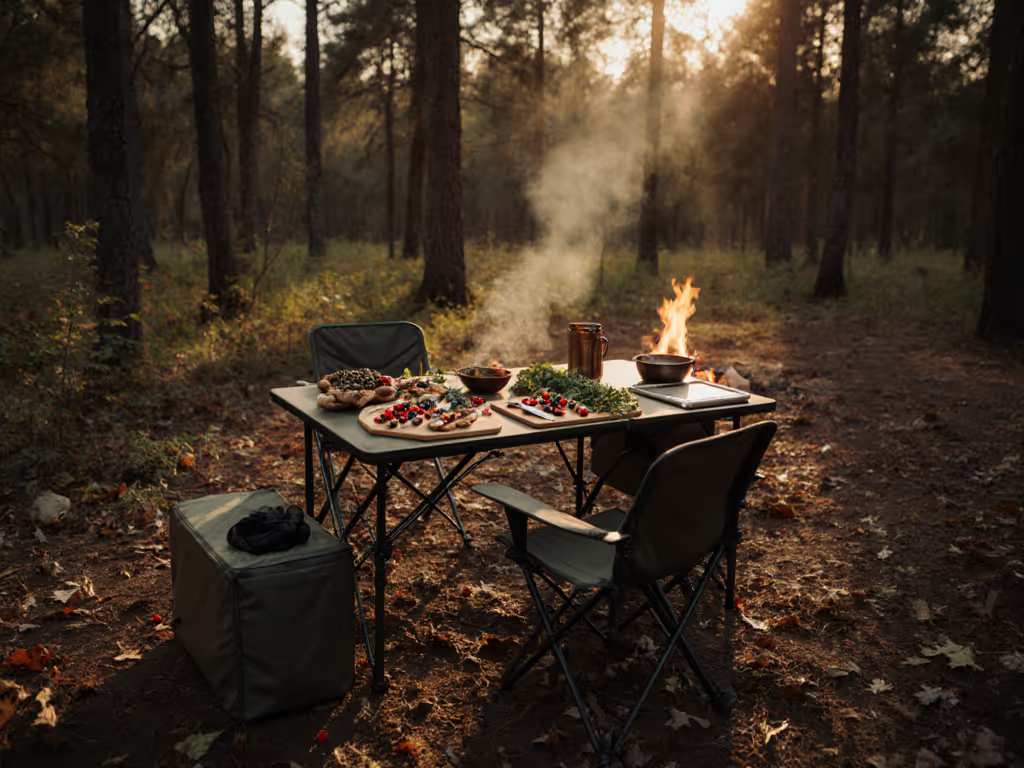
Where storage becomes indispensable is when you map it to your camp zones. A small locked bin sits beside the dining zone for utensils, napkins, and spices. A separate one anchors the lounge area for chargers, headlamps, and first-aid supplies. This zone-based organization is what separates a cohesive camproom from a cluttered site.
The hidden cost of poorly organized storage is invisible setup time. Every meal prep, every nightfall, someone is asking, "Where did we put the...?" Zone-based bins eliminate that cognitive friction. They are placed at the start of the trip and don't move. Setup halves. Teardown becomes a 10-minute slot-back exercise.
Matching Heights: The Ergonomic Linchpin
One of the most overlooked pain points in festival camping is mismatched ergonomics. Seats too low for your table height cause back strain during long meals or game sessions. Tables too low for tall campers force hunching. Armless chairs work for lounging but fail at dining. For seat-to-table fit basics, see our chair geometry guide.
When selecting chairs and tables as a system, map these dimensions:
- Standard dining: Table height 28-30"; seat height 17-19"
- Lounge comfort: Seat height 15-17"; lower tables (16-20") or side tables (18-22") for drinks and snacks
- Accessibility: Higher seat options (18-20") and tables with adequate legroom benefit older campers, plus parents holding toddlers
The King Kong's armrests and full-size seat address this gap. The Sitpack's lower profile suits fireside lounging but isn't ideal for hours at a dining table. A mature festival system includes both: compact loungers for flexibility and structured chairs for dining. This is where the price-to-performance advantage of modularity appears: you're not buying one expensive "do everything" chair; you're buying two mid-range chairs optimized for their zones.
Handling Variable Terrain: Sand, Rock, Wind
Festival sites are rarely flat or stable. Sand sinks chair legs. Rock creates wobble. Wind tests every structure's ability to stay upright.
Sand mitigation:
- Wide, flat feet distribute load and resist sinking.
- The ALPS King Kong's large leg base excels here; the Sitpack's narrower profile sinks marginally deeper but recovers with small adjustments.
Rock and uneven soil:
- Legs that lock firmly (not flex) prevent teeter. X-frame designs outperform A-frame or tripod styles in this scenario.
- Both tested chairs lock effectively; the King Kong's steel construction provides more reassurance.
Wind:
- Low center of gravity helps; high backrests amplify wind load.
- Tie-down points (eyelets or D-rings) on chairs and tables let you anchor to stakes or guy lines.
- Tables need weighted feet or cross-bracing; lightweight tables with flimsy legs are liabilities in gusts above 15 mph.
A fully festival-proof system includes guy lines and stake kits as non-negotiable accessories. These add minimal weight and pack volume but transform instability into control.
The Hidden Cost of Mismatched Systems
Here's where plain-language math matters. Compare two setups:
Setup A (Mismatched)
- Budget chair (no armrests, low seat): $60
- Mid-range table (wobbly legs, standard height): $120
- Flimsy storage bin (no lock, cracks in sun): $40
- Total: $220
- Expected life: 1-2 seasons (replacement of bin after first summer, chair after 3 trips)
- Hidden costs: 20 minutes setup time per trip (x 4 trips/year = 80 min wasted); one return (restocking fee); mental friction from mismatched heights
Setup B (Matched System)
- Sitpack (for compact base) + King Kong (for dining/group): $180 combined
- Lockable storage bin (durable polypropylene, 3-year rated): $75
- Total: $255
- Expected life: 5+ seasons (both furniture and bin rated for durability)
- Hidden benefits: 10 minutes setup time per trip (x 4 trips/year = 40 min saved, 40 min net gain per year); zero expected replacements; cognitive ease and group confidence
Over three years, Setup B saves you 2 hours of setup friction, zero returns, and zero replacement purchases. You've also eliminated the mental load of incompatible gear. That's buy-once, buy-right in action.
Building Your Festival Furniture Loadout: A Scenario-Based Guide
For Solo or Paired Trips (1-2 people)
Core setup:
- 2x Sitpack Campster 2.0 (compact, packable, dual-use lounge/auxiliary seating)
- 1x Small lockable storage bin (30-40 L) for secured items
- 1x Compact side table or tray table (fits in oddments of trunk space)
- Why: You're moving quickly from parking, packing light, and don't need armrest support.
For Small Group Trips (3-4 people)
Core setup:
- 2x ALPS Mountaineering King Kong (dining/group anchors, armrests, capacity for heavier guests)
- 1x Sitpack Campster 2.0 (auxiliary lounge, fills the "extra" person slot without bulk)
- 2x Medium lockable storage bins (mapped to dining and lounge zones)
- 1x Collapsible table (nests flat, provides clear dining surface with proper height alignment)
- Why: Armrests and higher weight capacity support longer meals and heavier guests; matched King Kong pair creates visual coherence and structural confidence.
For Family or Extended Trips (5+ people)
Core setup:
- 3-4x ALPS Mountaineering King Kong (scale with guest count)
- 1-2x Sitpack loungers (add flexibility without proportional weight/space increase)
- 2-3 lockable storage bins (zone-based: kitchen, lounge, med/security)
- 1x Larger collapsible or fixed table (provides proper dining height and surface area for group meals and games)
- 1x Auxiliary smaller table or tray (drink surface, side table, prep zone)
- Why: Consistency in the primary seating (King Kongs) creates visual and functional cohesion; Sitpacks fill gaps without complicating packing; zone-based storage prevents item loss and setup friction.
Packing and Transport: The Modular Efficiency Test
The real test of a system is whether it fits back into your vehicle with room for cooler, water, food, and emergency gear.
Volume benchmark:
- Sitpack (2x): ~0.03 cubic feet each (negligible)
- King Kong (3x): ~1.2 cubic feet each (~3.6 cubic feet for three)
- Storage bins (2x medium): ~2-3 cubic feet combined
- Collapsible table: ~0.5 cubic feet
- Total furniture + storage: ~7-8 cubic feet
A mid-size SUV trunk is typically 25-40 cubic feet. Subtract 12 cubic feet for cooler and water, you have 13-28 cubic feet for camping gear, clothes, and fuel. A well-designed furniture system occupies 20-25% of remaining space, leaving room to maneuver and pack efficiently.
The nested design of lockable bins (where smaller bins slide into or stack atop larger ones) is what makes this math work. Bulky, oddly shaped storage defeats the purpose. Modular, nesting bins are non-negotiable.
Final Verdict: Which System Wins?
There's no universal "best," only the best for your specific scenario. But here's the price-to-performance truth:
For solo and compact-car campers: The Sitpack Campster 2.0 is unbeatable. It delivers packability and quick deployment without compromise. Pair it with one compact lockable bin, and you've spent under $150 on a system that survives five festival seasons with zero friction. Verdict: Best value for solo and paired trips.
For groups and family trips: The ALPS Mountaineering King Kong is the anchor. Its 800-lb capacity, armrests, and steel-on-steel durability make it the foundation of a scaled, confident camp. Pair two King Kongs with a Sitpack, zone-based storage bins, and a matched table, and you've created a system that guests enjoy, that handles variable terrain, and that prevents the endless cycle of replacement purchases. Initial investment is higher (~$300-400), but three-year cost-per-use drops dramatically. Verdict: Best value for durability and group scaling.
For all trips: Invest in one quality lockable storage bin rated for 5+ seasons. This is the single item that eliminates the most friction and prevents the most loss. Zone-based organization (separate bins for kitchen, lounge, and security items) cuts setup time by 30% and teardown by 40%. It's a $75 decision that pays dividends every trip.
Spend once on fit, not twice on fixes and returns.
Your first festival camp doesn't need to be a clearance-bin collage. Map your typical guest count, measure your trunk space, and choose a matched pair of chairs, a lockable table height, and nesting bins that align. Yes, it's a deliberate choice. But it's one you'll make once, not repeatedly. That's the real cost-to-performance equation: the system that prevents second purchases is the one worth buying first.
Related Articles