Modern Camping Chairs Ranked: Ultralight to Car Camp
By Amara Sengupta • 15th Feb
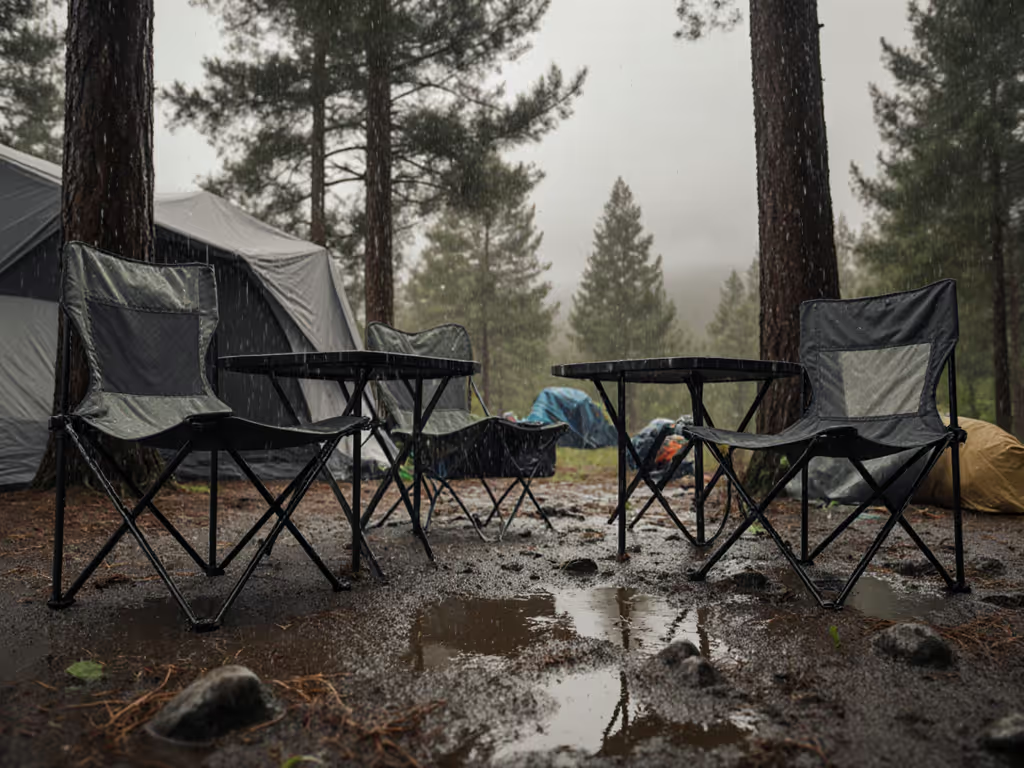
When I planned my first family camping trip, I learned a hard lesson about mismatched gear. Four different chair heights, a table that wobbled on anything but flat ground, and a storage bin that seemed designed to eat tent stakes. Dinner felt like a balancing act instead of a gathering. That night, I started mapping chair heights against table dimensions and researching what hardware could be shared across pieces. Two strategic swaps later (moving to modular seating and a height-compatible table), our setup time halved and nothing collided. We stopped buying deals that looked right but didn't work together.
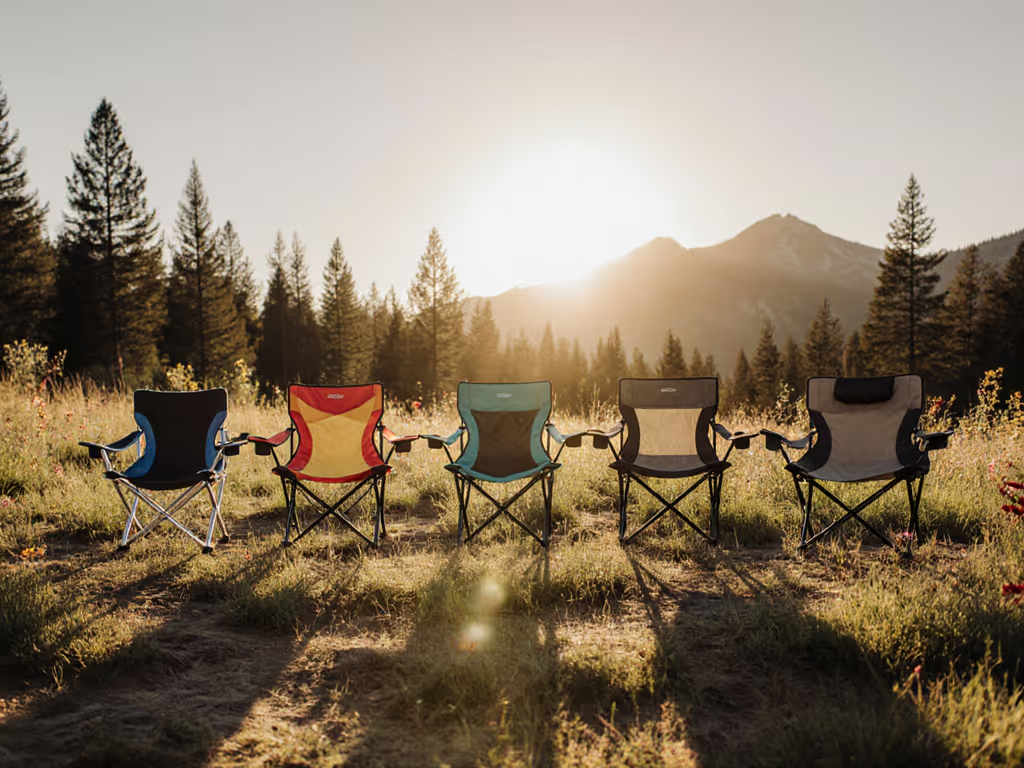
That experience drives how I approach modern camping chairs and versatile camp seating today. The best value isn't the lowest price tag; it's a system that prevents second purchases and adapts to how you actually camp. Whether you're a backpacker clipping 2.5 pounds to your pack or a family basecamp host coordinating five people around a meal, chair choice cascades into table height, storage options, and how quickly you can unwind after arrival. If you're deciding between weight-first and comfort-first seating, see our backpacking vs car camping chairs guide to avoid second buys.
Below, I've ranked chairs across the ultralight-to-car-camp spectrum, framing each against price-to-performance, pack volume, setup friction, and, critically, how they scale with your group and terrain. Fit beats brand every time.
1. Ultralight Minimalists: Sub-3 Pounds
If your vehicle is a backpack and miles-per-gallon matters more than creature comforts, this tier strips seating to geometry and tensioned fabric. For a deeper look at trade-offs by ounce, durability, and support, read our ultralight chairs weight vs comfort guide.
Helinox Chair One: At 2.5 pounds and a packed size of just 16 by 6 inches, this aluminum-pole-and-fabric chair lands in the barely there category. At $120, it's premium for the weight class, but the 5-year warranty and modular pole system justify the ask for repeat ultralight users. The tradeoff: minimal back support and a seat height around 18.5 inches (fine for solo camp meals or fire-side lounging), but you'll feel the low profile if you're 6 feet tall or nursing a sore back.
Nemo Moonlite Reclining Camp Chair: For $159.95, this chair delivers 1 pound 14 ounces of weight with a reclining mechanism and a 300-pound capacity. Packed at just 14 by 4 inches, it's a clever option for hikers who want some comfort texture without the bulk. Setup is a bit fiddly compared to a rigid pole chair, but solo users often find that's a worthwhile trade for the recline.
Verdict: Choose Helinox if you're returning to the same camp repeatedly and value durability; choose Nemo if you're maximizing recline comfort for solo trips and don't mind fussier assembly.
2. Backpacking Workhorses: 3-6 Pounds
These chairs bridge base-camp car camping and multi-day treks. They pack small enough to lash to a hiking pack, yet offer enough ergonomic texture to not feel like a punishment after 8 miles.
Snow Peak Take! Bamboo: At $205 and 6.5 pounds, this Japanese-engineered chair is a statement piece that actually performs. The bamboo-and-fabric design is visually cohesive and collapses to 39 by 6 inches. The 19.5-inch seat height sits comfortably between lounge and dining postures, and the limited lifetime warranty signals confidence. Trade-off: it's pricier than ultralight synthetics, and the bamboo finish requires light maintenance in wet climates.
Oru Pop Lounge: At 7.3 pounds and $190, this origami-style folding chair packs flat (22.5 by 18.5 inches) and inflates without an air pump or batteries, just unfold and snap the poles. The fabric is durable mesh, and the 19-inch seat height is versatile. It's excellent for car camping if your group appreciates art-meets-gear aesthetics and won't be wrestling setup in the dark.
Verdict: Snow Peak if you want an heirloom piece and don't mind the investment; Oru if compact packing and low setup friction matter more than minimalist weight.
3. Regional Car-Camp Comfort: 7-10 Pounds
This tier is the backbone of most weekend family trips. Chairs sit in the truck bed or hatch alongside a cooler and don't demand logistical planning. Setup is intuitive, seat heights match standard tables (19-22 inches), and prices hover where value compounds over seasons. To dial chair-to-table harmony, use our ergonomic camping tables checklist.
GCI Comfort Pro Chair: The $45 price point is deceptive, this 7.7-pound workhorse is rated for 300 pounds and seats people from about 5'4" to 6'2" comfortably. At 44 by 7 inches packed, you can fit three of these plus a cooler in a sedan trunk. The 19-22 inch adjustable height and 3-year warranty make it the most modular choice for scaling groups. Hidden cost math: a 4-pack (four Comfort Pros) runs $180 and weighs 30.8 pounds (less than a single Yeti Trailhead). Spend once on fit, not twice on fixes and returns.
Kijaro Dual Lock: At $50 and 9.5 pounds, this chair is a no-frills density play. The 18.5-22 inch height range and 300-pound capacity tick the boxes, but the 1-year warranty and feedback about wobbling on soft sand suggest it's best reserved for established campsites. Beach-bound campers should consult our rust-resistant beach chairs picks engineered for soft sand stability. For groups rotating users or testing whether car camping fits your lifestyle, it's defensible; for systems that scale, the GCI's adjustability and warranty edge it out.
REI Wonderland: At $100 and 13.4 pounds, this glamping-adjacent chair targets comfort over minimalism. The 22-inch seat height and firm mesh back suit longer fireside sessions, and the 1-year warranty covers basic wear. The tradeoff: it's bulkier packed (42 by 11 inches) and heavier than the GCI, which matters if your vehicle space is contested. Best for established basecamp setups where you're not rotating between sites weekly.
Verdict: GCI Comfort Pro wins on price-to-performance and scalability; Kijaro if budget is your only metric and site conditions are predictable; REI Wonderland if you're blending car camping with longer comfort sessions and accept the weight.
4. Premium Durability: $120-$300
These chairs are multi-season anchors. They arrive at your campsite year after year with minimal degradation, and warranties back that claim.
Yeti Trailhead Camp Chair: At $300 and 13.3 pounds, the Yeti is the luxury tier that justifies its price through data. The 500-pound capacity (highest tested), 19.5-inch seat height, and 5-year warranty are built for serious multi-season use. The mesh conforms without sagging, and the wide footing prevents tipping on sand or uneven ground. Lumbar support and an ergonomic back design make it one of the only premium chairs comfortable for hours of fireside or table-side sitting. Trade-off: it dominates pack space (43 by 10 inches) and isn't portable for backpacking. For trip captains who host regularly and want to buy once and be done, the Yeti removes doubt, but four GCI Comfort Pros offer more flexibility and cost $180 total.
Nemo Stargaze EVO-X: At $250, this reclining chair is a hybrid: part suspension lounger, part dining seat. The one-of-a-kind suspension design and two integrated cup holders mark a gear category shift. It's heavier (14 pounds 12 ounces) and bulkier than traditional chairs, but the recline range and back support appeal to campers with mobility or comfort concerns. Setup is straightforward, and the reclining angle makes it useful for both meals and post-dinner lounging without seat-swapping. Best for trip captains who value flexibility and can absorb the weight penalty.
Verdict: Yeti if you're provisioning a permanent basecamp setup or hosting multi-day friend trips; Nemo Stargaze if recline range and dual-use posture matter more than lightweight packing.
5. Specialty Roles: Rocking, Double, and Lounge
Not every trip needs a standard camp chair. Group dynamics, site layout, and your guest list sometimes demand variety.
GCI Stowaway Rocker: At $80 and 13.9 pounds, this rocker trades portability for the psychological anchor of familiar motion. The 20.5-inch seat height and 400-pound capacity make it stable and inclusive. Rocker chairs extend lounge sessions and soften the I'm camping awkwardness for reluctant guests. Packed at 28 by 28 inches, it's bulkier but still vehicle-friendly for basecamp trips.
Kelty Deluxe Lounge Chair: At $90 and 10.3 pounds, this lounger offers an adjustable backrest and a 21-24 inch seat height that bridges lounge and low dining. The 1-year warranty is shorter than competitors, but the ergonomic profile suits campers prioritizing fireside comfort over table-height standardization.
Verdict: Add a rocker or lounge chair after your core seating is matched, they're guest retention tools, not system anchors.
Fit Beats Brand: The System Framework
Now, the core principle: modern camping chairs fail not because they're defective, but because they're chosen individually instead of as a modular kit.
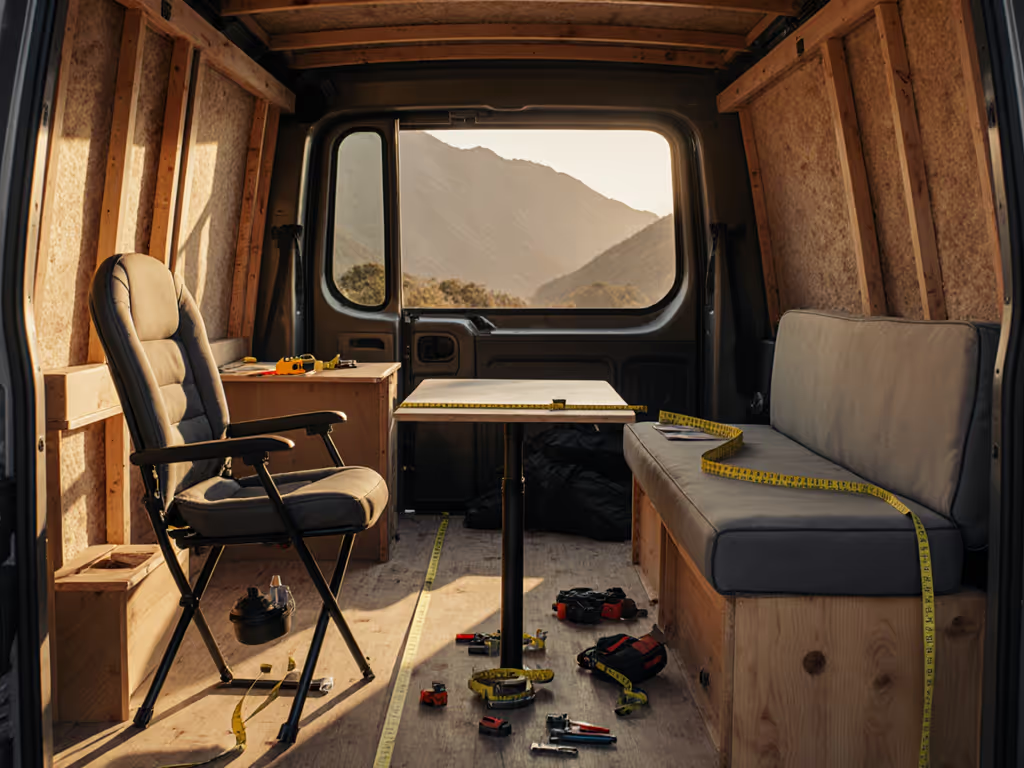
Map your heights first: Measure your dining table (usually 28-32 inches top-to-ground). Ideal chair seat height is 10-12 inches below that. A 22-inch seat height works with a 30-inch table; a 19-inch seat forces awkward posture after 30 minutes. If you're scaling to 4-6 people, choose chairs that cluster within 1-2 inches of seat height so you're not managing five different dining experiences.
Price the full kit, not one chair: Two premium chairs at $300 each ($600 total) cost more than six GCI Comfort Pros ($270 total), and the modular set scales infinitely. Spend once on fit, not twice on fixes and returns.
Prioritize stability on varied terrain: Chairs with wide feet, rubber floor contact, and a low center of gravity stay put on sand, rock, and sloped ground. Test before committing; feedback on wobbling is a red flag for repeat sites.
Plan for shade and wind: Cup holders matter; integrated pockets or side tables prevent small-item chaos. Wind-facing sites benefit from heavier chairs or cross-braced designs that resist toppling.
Measure pack volume: If your vehicle's trunk holds 20 cubic feet and a cooler eats half, three chairs can't dominate the rest. Pack five chairs into the space one premium chair demands, and you've freed room for water, stove fuel, or a child.
Your Next Step: Audit and Choose
Before you buy, answer these three questions:
- How many people are you hosting most often? (This determines base chair count and whether specialty pieces like rockers make sense.)
- What's your typical site condition? (Hardpan, sand, grass? Flat or sloped? Windy?)
- How many seasons do you expect to camp before reassessing? (If it's your first year, a GCI 4-pack lets you learn without overcommitting capital. If it's your tenth, the Yeti's warranty and durability pay dividends.)
Once you've answered, audit one successful car-camp weekend for bottlenecks: Where did people sit? Did anyone complain about height or back pain? Did a chair sink into sand or wobble? Did everything fit in your vehicle? Those answers will tell you which tier and which specific chair solves your actual problem, not a marketer's promise.
Fit beats brand. A $45 chair that sits right at your table and scales with your group delivers more value than a $300 piece that isolates diners or dominates trunk space. Build your system around the constraint you own, not the gear that sounds impressive. That's how you stop rebuying and start camping.