Mental Health Camp Setup: Therapeutic Furniture Guide
By Nadia Okoye • 19th Mar
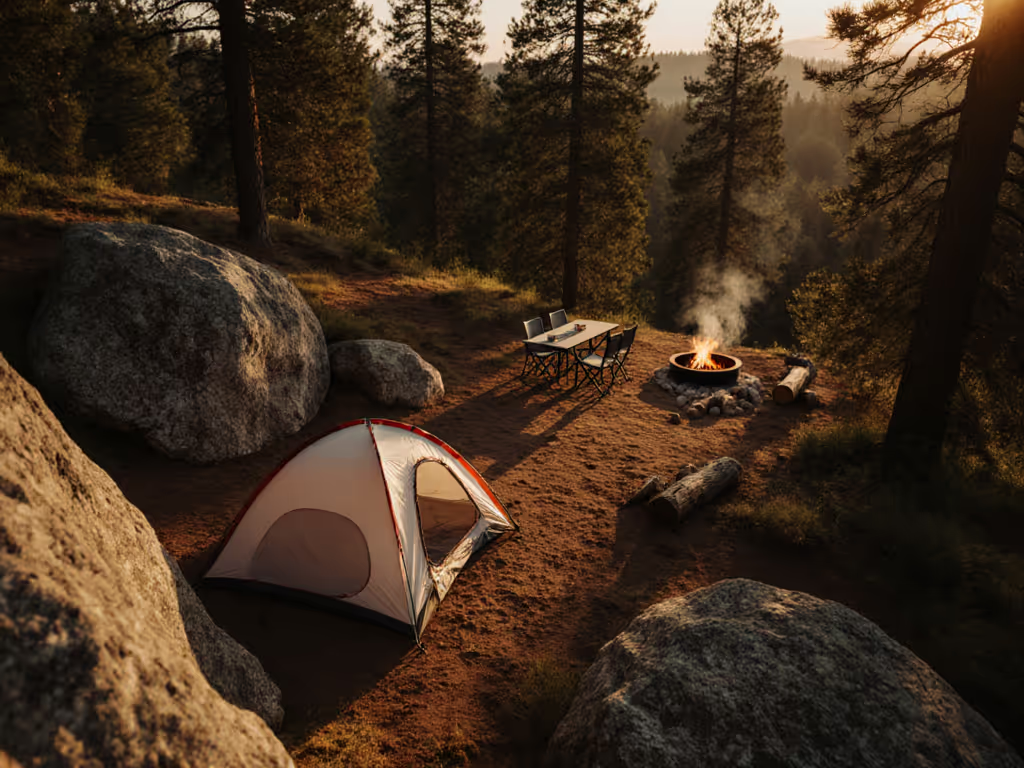
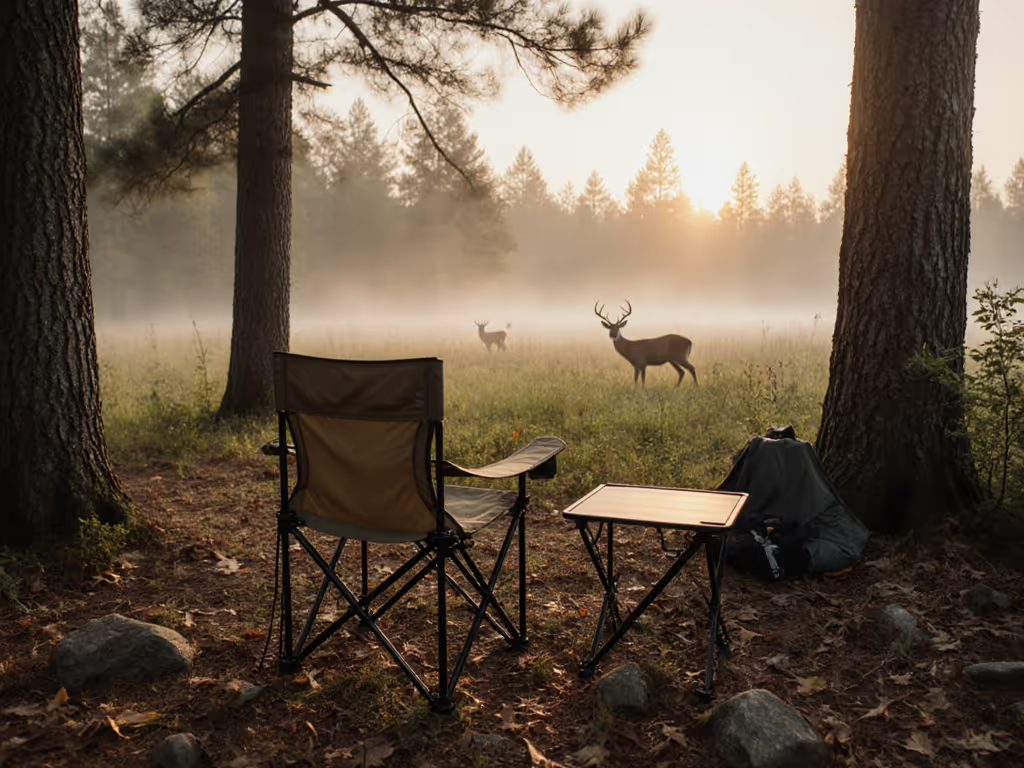
A mental health camp setup begins long before you arrive at the trailhead. It starts with how you choose and arrange your best camp furniture. When people retreat to nature seeking restoration, their physical environment shapes whether the weekend becomes therapeutic or chaotic. Thoughtful furniture selection and choreography create the foundation that lets everyone settle into calm, connection, and genuine recovery.
Mental health camps differ from standard camping trips in one critical way: the stakes are higher. You're not just packing gear; you're architecting a temporary refuge where stress dissolves, anxiety quiets, and people reconnect with themselves and each other. The difference between a therapeutic getaway and a frustrating ordeal often comes down to whether your setup works for people or against them.
Why Furniture Choreography Matters for Mental Health Retreats
Recovery-focused outdoor spaces demand more intentional design than casual camping. When a guest arrives after a stressful week, they need to feel safety in minutes, not hours. Wobbly chairs, tables at the wrong height, or chaotic packing chains that take two hours to deploy all undermine the mental health benefits you're aiming for.[1] The goal is what I call a five-minute camproom: a fully functional lounge, dining, and social zone set up in the time it takes to unload the car. For a step-by-step approach to staging that five-minute camproom, see our seamless camp furniture setup guide.
This philosophy applies whether you're hosting a trauma-informed camping retreat for a therapy group, a mindful camping environment for burnout recovery, or a friend-group weekend focused on de-stress. For wellness-focused layouts and posture tips, explore our meditation camp setup guide. The principle is the same: furniture that's predictable, stable, and coordinated removes friction. Choreograph setup, and the whole weekend slows down.
Design Principle 1: Stability and Tamper-Resistant Durability
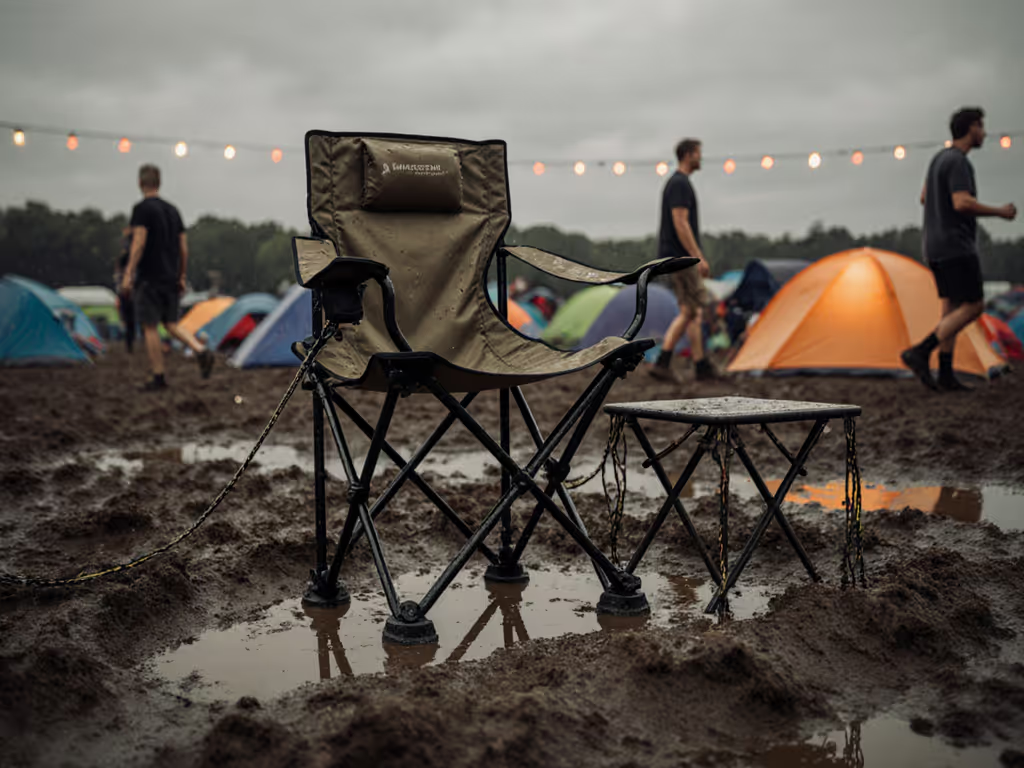
In behavioral health settings, stability isn't a luxury, it is a safety essential.[2] The same logic applies outdoors. Every piece of furniture must handle uneven ground without tipping, wobbling, or collapsing under normal use.
This means:
- Anchored bases: Tables and chairs secured to the ground or weighted with sand plates that prevent rocking on sand, rock, or grass
- Wide, flat feet or sled-bases rather than thin legs that sink or catch
- No removable parts that tempting hands (especially young children or anxious guests) might fidget with or try to take apart
- Closed joinery: bolted or molded construction, not screws or quick-pins that can loosen over a weekend
The moment a chair tips or a table teeters, guests feel unsafe. Safety by design is the quiet foundation of a therapeutic camp. If tables are your weak link, compare stability metrics in our folding camping tables stability test.
Design Principle 2: Ergonomics That Support Hours of Use
Mental health camps often involve long meals, circle conversations, board games, or fireside gatherings. Poor ergonomics (low seats, mismatched table heights, lack of armrests) creates physical discomfort that compounds emotional fatigue.[3]
Seek furniture that delivers:
- Seat-to-table alignment: chairs with seat height and backrest angle that match your table height so diners sit upright without hunching or dangling feet
- Armrest height and firmness: solid supports that ease standing and reduce strain on shoulders during long sitting
- Lumbar support or backrest angle: seats that support the lower back so people can relax rather than brace themselves upright
- Appropriate seat height for your demographic: if your group includes older campers or anyone with mobility challenges, higher seats (18+ inches) that reduce knee strain are non-negotiable
Good ergonomics is an empathy statement. It tells guests: Your comfort matters. We built this for you to rest. For science-backed posture and layout tips, see our campsite ergonomics guide.
Design Principle 3: Materials That Convey Comfort, Not Confinement
Behavioral health environments intentionally move away from clinical, institutional materials toward warm, inviting textures.[4] The same psychology works in outdoor camps. Furniture that feels human (warm wood tones, soft upholstery, natural textures) promotes emotional ease, while cold metals, vinyl, or plastic can heighten anxiety.
When choosing camp furniture for mental health retreats, prioritize:
- High-density foam or cushioned seating with antibacterial, flame-resistant fabrics that are also easy to clean
- Natural wood or powder-coated finishes in warm tones rather than raw metal or industrial gray
- Rounded edges and smooth surfaces to eliminate sharp corners that trigger defensiveness or worry about injury
- Durable, wipe-down materials that tolerate dew, spills, and soil without absorbing or staining permanently
Materials communicate. Choose textures and colors that whisper healing, not utility.
Design Principle 4: Modular Flexibility for Scaling and Adaptation
Mental health camps vary. A six-person friend-group retreat needs different flow than a ten-person family trip or a trauma-informed workshop.[5] Your furniture system must adapt without sacrificing stability or safety.
Build in modular flexibility:
- Stackable or nesting chairs that let you add or remove seating without disrupting the layout
- Tables with leaves or auxiliary surfaces that expand for larger groups or collapse for intimate dinners
- Mix-and-match pieces that share a height and material language so new additions feel intentional, not ad-hoc
- Zone-based organization: lounge furniture, dining furniture, and kitchen surfaces grouped logically so scaling one area doesn't break another
A modular camproom grows with your group and adapts to different trip purposes without feeling bolted-on or chaotic.
Design Principle 5: Acoustic Calm and Visual Privacy
In behavioral health facilities, sound control is essential because noise elevates stress and disrupts healing conversations.[6] Outdoor camps benefit from the same attention. Wind, traffic, and group voices can overwhelm sensitive guests.
Design for acoustic calm:
- Upholstered seating and soft furnishings that absorb sound rather than reflect it, especially near conversation or therapy zones
- Low-profile partitions or screens that create subtle boundaries between social areas without walls or barriers that feel restrictive
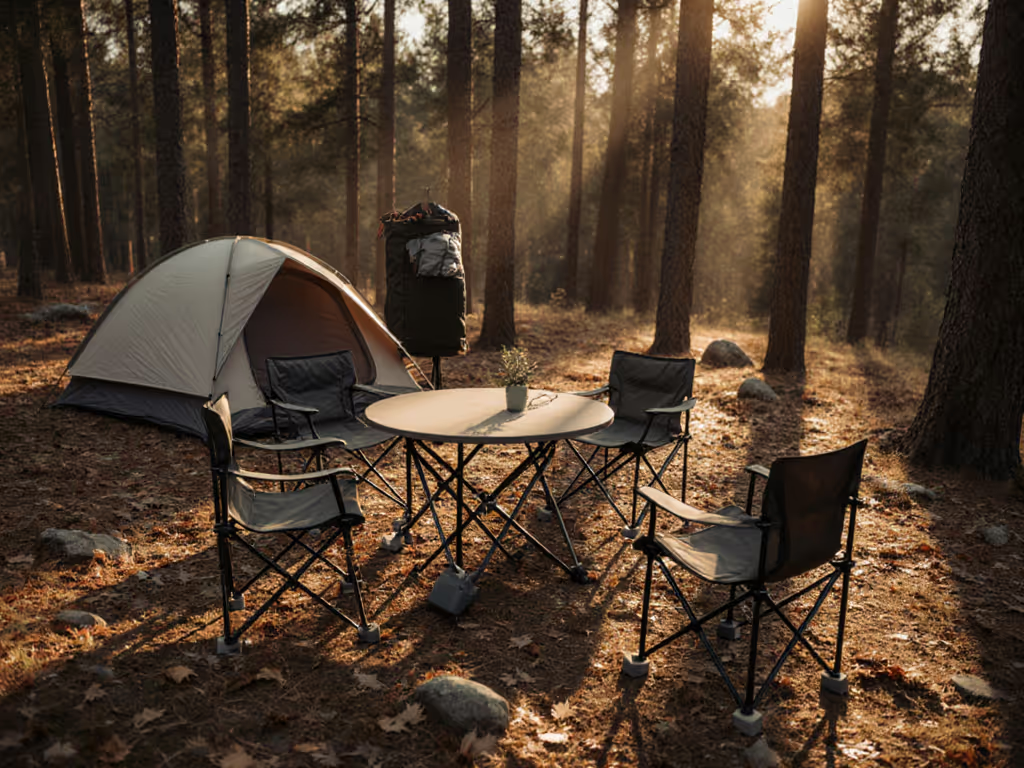
- Positioning chairs in semicircles rather than linear rows, which encourages quieter conversation and connection
- Anchor seating away from group thoroughfares so intimate conversations aren't constantly interrupted or overheard
Acoustic thoughtfulness signals respect for emotional space. For noise-aware layouts and natural sound barriers, read our campsite acoustics guide.
Design Principle 6: Safe Personalization and Distraction
One of my foundational experiences shaped how I think about camp setup. We arrived at dusk with overtired twins and wind rising from the northwest. I scripted everything: windbreak table positioned first, cots staged in the sleeping area, chairs clipped together. The kids settled into snacks and a familiar routine while we anchored everything. That night convinced me that choreography matters as much as gear (because calm is something you can pack).
Personalization within that structure is equally important. Behavioral health spaces that allow guests to express themselves and control small elements of their environment promote agency and healing.[5] Translate this outdoors:
- Open shelving or hooks where guests can display personal items or hang headlamps
- Flat surfaces near seating (side tables, ledges) where people can place phones, journals, tea, or small comforts
- Soft ambient lighting anchored to furniture or easy to position so people can adjust their own light levels
- Space for customization: natural materials like driftwood or wildflowers that guests can arrange, markers for name cards or group affirmations
Personal agency within a safe structure is the sweet spot for recovery-focused camping.
The Setup Sequence: Your Five-Minute Camproom Checklist
Here's how to choreograph a smooth arrival, even in fading light:
- Minutes 0-2: Position the windbreak table first (if conditions warrant). This creates an anchor and visual calm. Set up the dining table and chairs next. Align seat height to table height.
- Minutes 2-4: Deploy lounge seating in a conversation arc. Ensure chairs have armrests and adequate back support. Clip or weight down chairs if wind is present.
- Minutes 4-5: Position side tables, organizers, and lighting anchors. Designate zones: dining, lounge, kitchen. Brief the group on where items live.
This five-minute anchor lets everyone settle and reduces the cognitive load of setup. Kids, pets, and guests know where to sit and where their stuff goes. The camp feels intentional.
Material and Durability Checklist
When vetting stress-reducing camp design furniture, use this checklist:
- Splinter-free wood or sealed metal (no raw rust)
- Durable, flame-resistant fabrics or high-density molded plastics
- Bolted or welded joints, not screws or clips
- Weight ratings that exceed your heaviest guest by 50 pounds
- Closed seating (no gaps or crevices where small items or insects hide)
- Anti-microbial or easily sanitized surfaces
- Weighted feet or anchor points for uneven ground or wind
Next Steps: Build Your Camproom System
Start by auditing what you currently have. Does your seating height match your table height? Are your chairs stable on uneven ground? Can you add or remove two chairs without the layout feeling broken?
Next, identify one pain point from your last trip (whether it's setup time, ergonomic discomfort, stability in wind, or packing inefficiency). Choose one piece of furniture that addresses that pain. Test it on a short weekend trip before committing to a full system.
Finally, map out your ideal camproom by use-case: a beach trip, a forest basecamp, a group retreat. What furniture do you need for each? What's modular and what's fixed? Once you've imagined the ideal setup, the gear choices follow naturally.
A well-choreographed camp isn't about luxury. It's about removing friction so that recovery can happen. When your setup works, guests relax faster. When everyone can trust the chairs won't tip and the table won't wobble, anxiety quiets. That's when the therapeutic work of camping (connection, rest, restoration) finally begins.
Your mental health camp setup is the physical embodiment of an intention: I've designed this for you to feel safe, comfortable, and cared for. That message, conveyed through thoughtful furniture and deliberate arrangement, is often the most healing thing a camp offers.
Related Articles