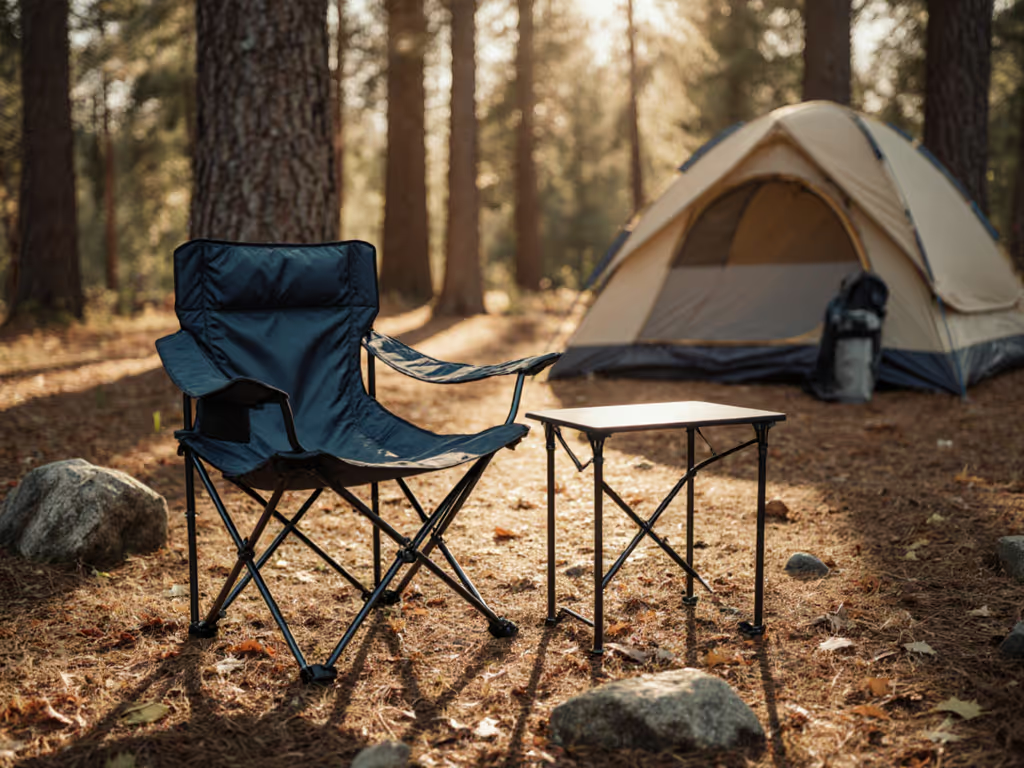
Silent Wildlife Observation Furniture System Guide
By Amara Sengupta • 8th Jan
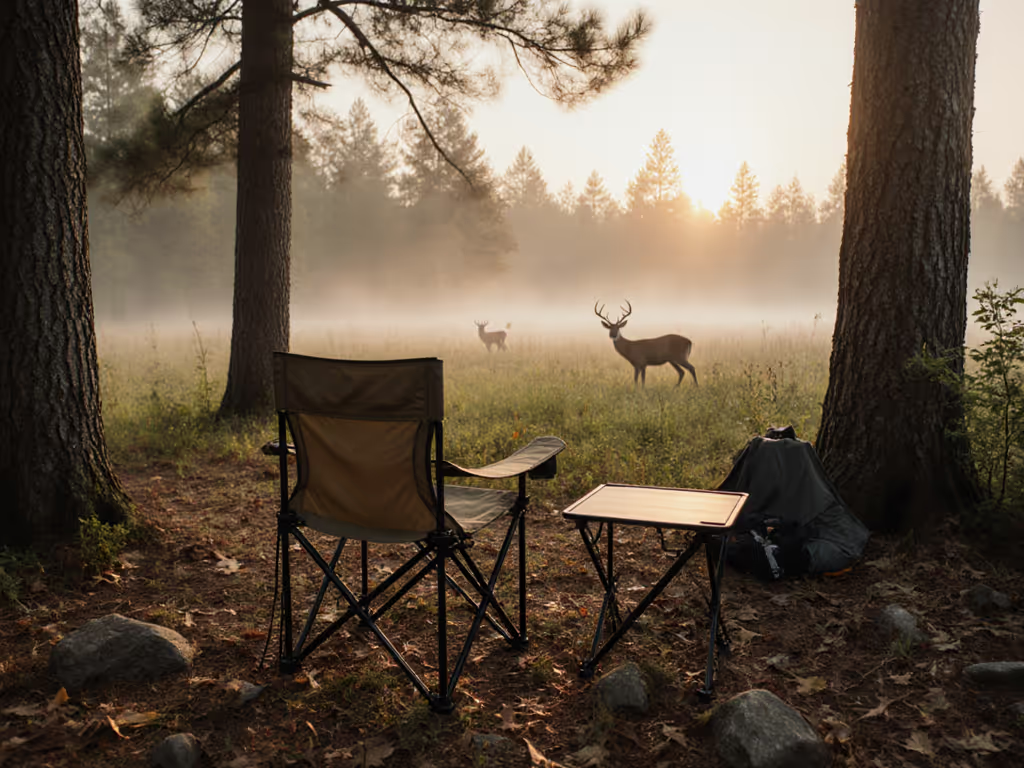
Your campsite should fade into the background, not the reason you miss the owl's call or the deer's approach. Mismatched tables that wobble on sand, chairs that sink unevenly, or awkward seat heights that force you to crane your neck during sunset watching: these aren't minor annoyances. They fracture your focus and disrupt the animals you're there to observe. When I first set up camp as a family host, I learned this the hard way with a clearance-bin collage of chairs (one too low for the table, another collapsing mid-meal). That trip wasn't about watching wildlife; it was about juggling. Nature observation furniture and quiet camp seating aren't luxuries. They are precision tools for staying present. This guide cuts through the noise with a system-built approach that prioritizes silence, stability, and seamless integration with wild spaces, so you spend less time fixing gear and more time connecting with the living world.
Why Your Furniture Is Your Wildlife Observation Tool
Wildlife reacts to vibrations, sudden movements, and human noise. A chair leg sinking into soft soil mid-observation, a table wobbling from a dropped fork, or even the scrape of mismatched chairs being adjusted, these tiny disruptions send animals fleeing. Non-disruptive camp furniture isn't just about comfort; it's about minimizing your sensory footprint. Consider this plain-language math: a $120 chair that stays planted on sand (thanks to wide feet) used across 15 trips costs $8 per outing. A $60 chair that constantly sinks, requiring repositioning and causing spills, wastes 10 minutes of prime observation time per meal. That's hidden cost, in lost moments, not dollars. Wildlife-friendly camping setup starts with two non-negotiables: stable contact points and height harmony. For posture and stillness fundamentals, see our camp chair geometry guide.
Height Harmony: The Silent Setup Secret
Mismatched seat and table heights force unnatural postures, leaning forward to eat or craning to see the fire, that lead to fidgeting, creaking chairs, and broken focus. For true quiet camp seating, align these zones:
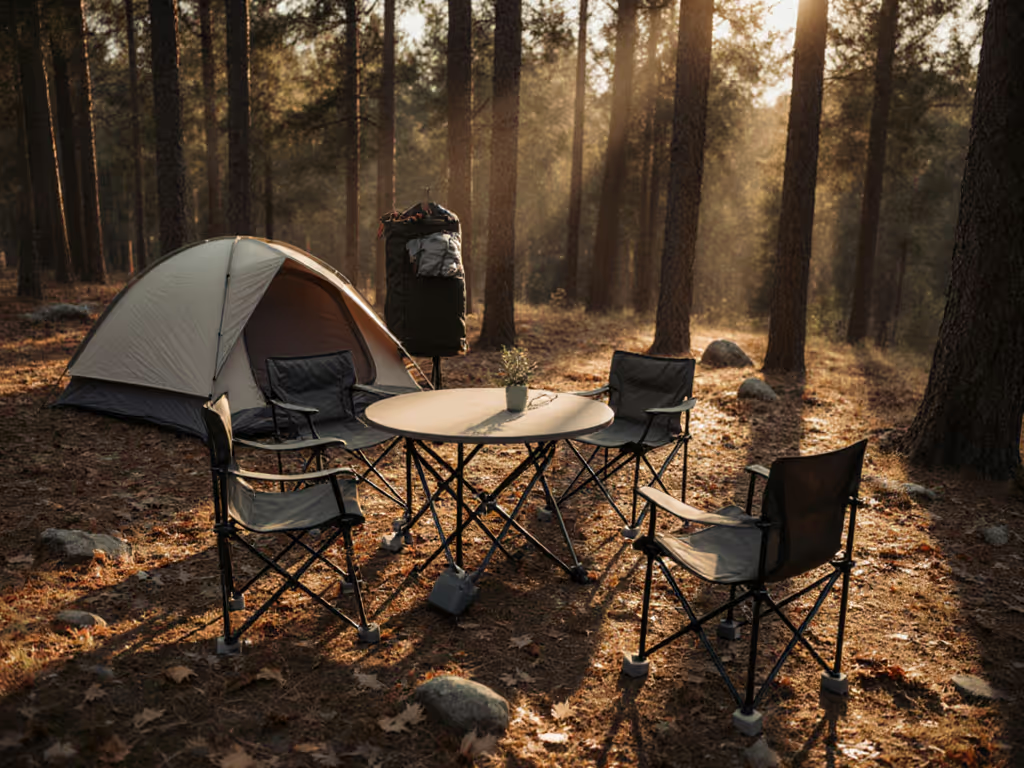
- Dining Zone: Table height 24-28" (ideal for adults), chair seat height 17-19" (allows feet flat on ground, thighs parallel to table). Avoid chairs under 16" seat height (they strain knees during long sits and require constant adjustment).
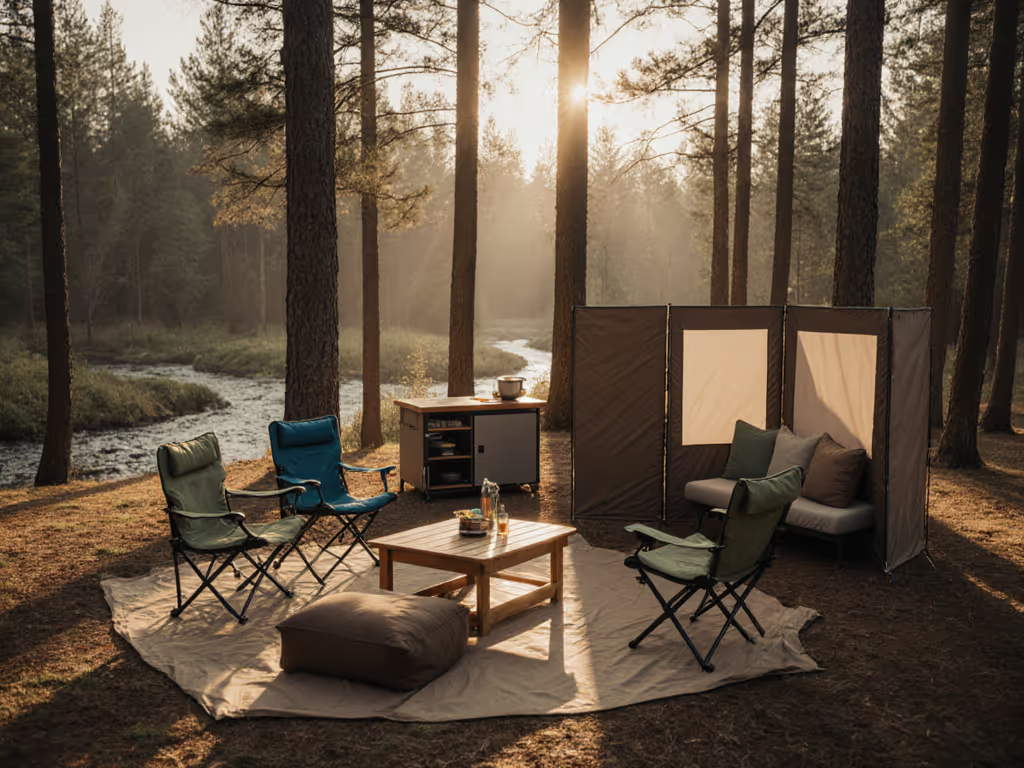
- Lounge Zone: Chair seat height 14-16", table surface 18-20". Critical for fire-side wildlife watching: lower seats feel grounded, reducing silhouette movement.
- Observation Nooks: Single chairs or stools at 12-14" seat height, paired with a 15-17" side table for optics. Keeps you low-profile and still.
Buy once, buy right: Invest in one modular chair system that adjusts across zones. Example: a base model with optional risers for dining height (adding 3"), or a lower configuration for lounging. This eliminates the chaos of carrying separate chairs (and the noise of swapping them).
Terrain Adaptability: Sand, Rock, and Uneven Ground
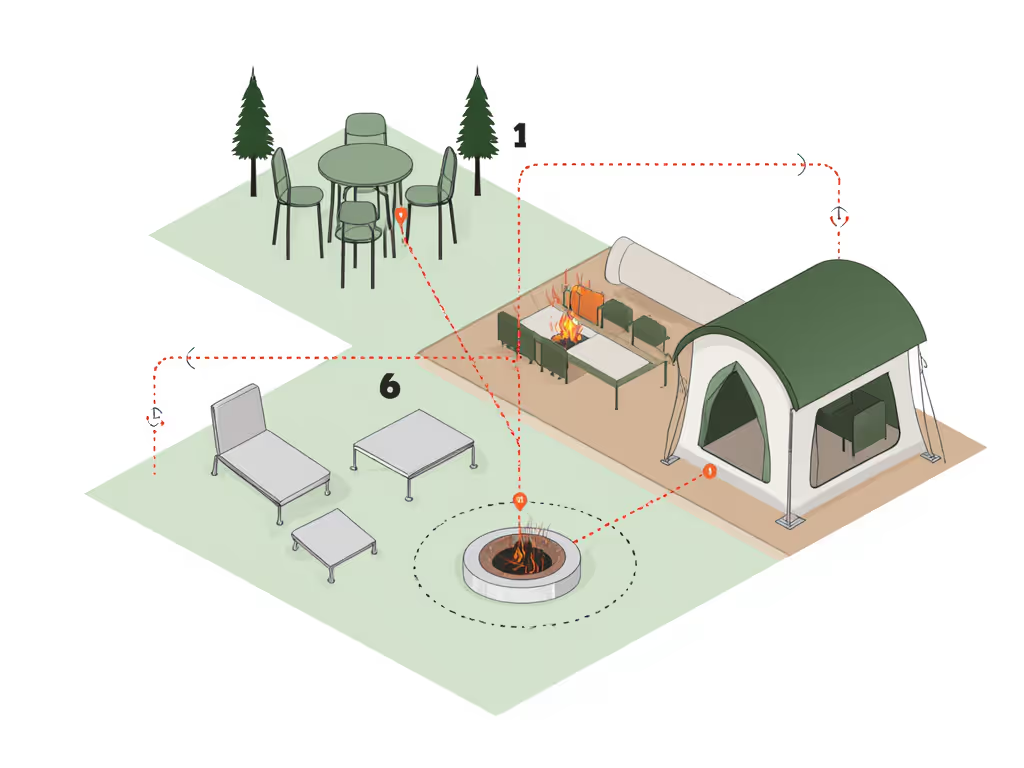
Comfortable observation seating fails when terrain wins. Standard narrow chair legs sink into sand; rigid feet teeter on rock. See our REI vs ALPS chairs stability test on sand and rock for real-world results. The fix isn't heavier gear; it is intelligent contact points that disperse weight and self-level:
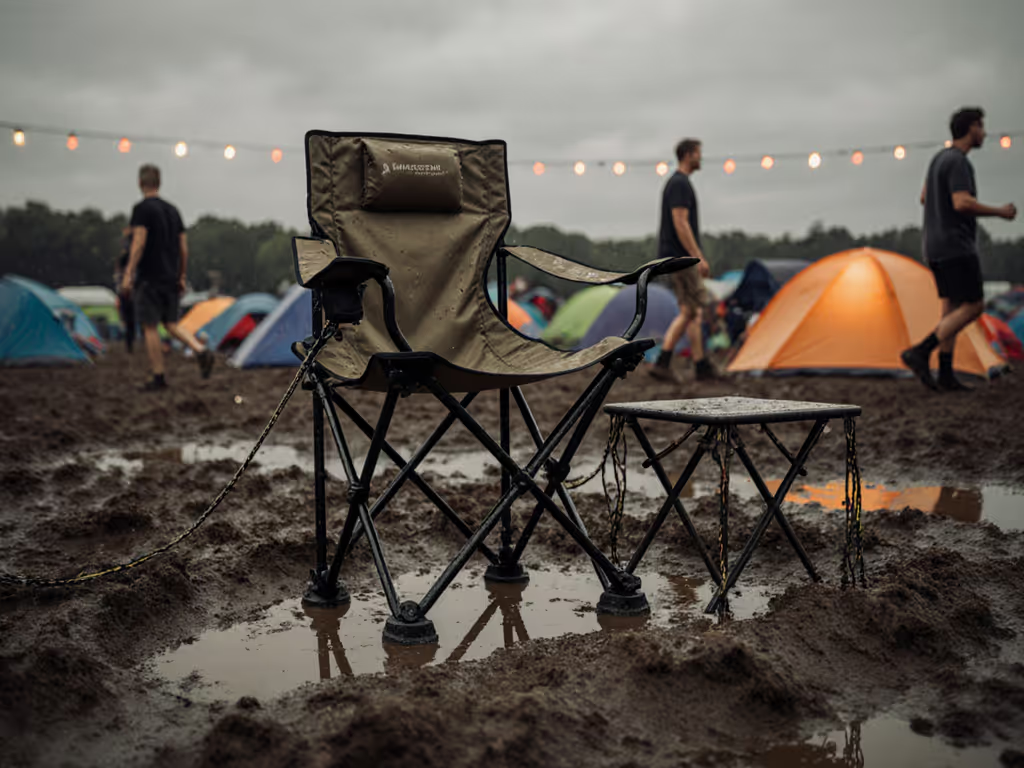
- Sand/Rock: Prioritize feet with 4+ inch diameter plates (prevents sinking) or adjustable legs (for rock). Hidden cost alert: Cheap "sand feet" sold separately often don't fit your chair's bolt pattern, verify compatibility before buying.
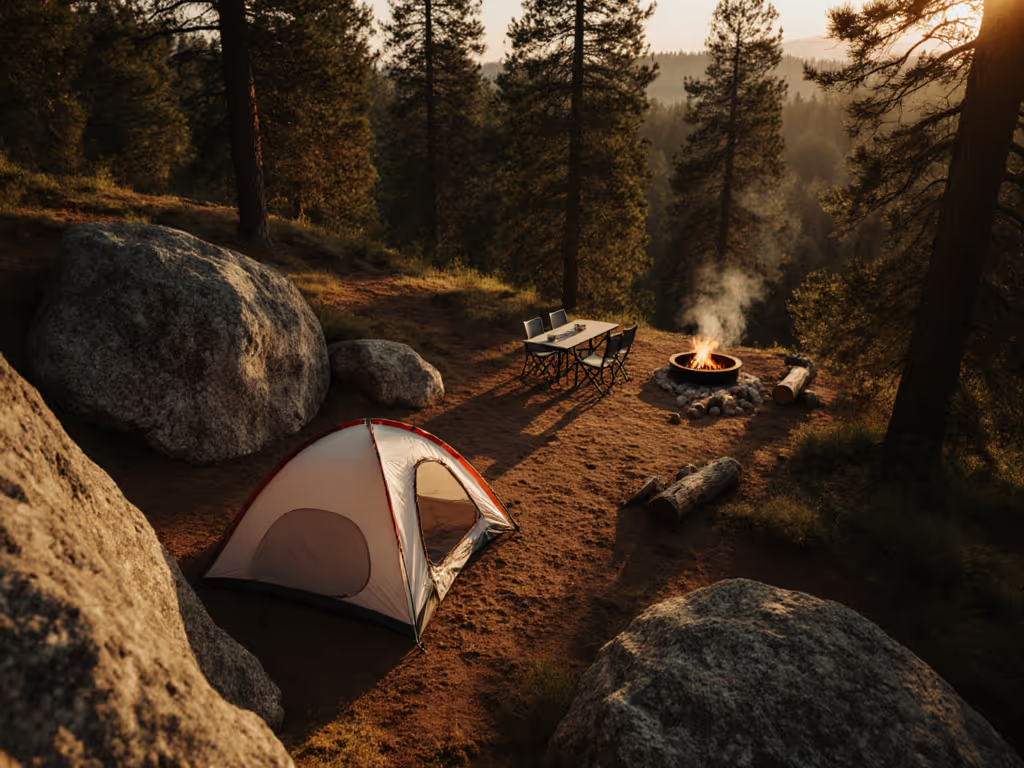
- Slopes: Chairs with 3 legs (not 4) prevent wobble. Tradeoff: Less stability on flat ground, but critical for hillside birdwatching.
- Moisture/Dew: Avoid fabric chairs that trap dampness (causing creaks as you move). Opt for mesh or powder-coated steel, which is quieter when shifting position.
System-Building for Scaling and Silence
A wildlife-friendly camping setup must adapt to group size without disrupting your observation rhythm. Adding two last-minute guests shouldn't mean reconfiguring your entire camp mid-sunrise. Here's how to build in scalability: Compare adaptable setups in our modular furniture comparison to expand without noise or height conflicts.
Modular Expansion Tactics
| Component | Fixed System Pain | Modular Solution |
|---|---|---|
| Tables | Requires complete teardown to add leaves | Tables with clip-on side extensions (adds 12" width in <60 sec) |
| Seating | Extra chairs don't match height/stability | Stackable stools that nest under table (occupies same footprint) |
| Surface Anchors | Wind blows away bird guides/phones | Integrated weighted cup holders (holds 2L bottles as ballast) |
Safety-First Stability for Kids and Pets
Wobbling furniture isn't just disruptive, it's dangerous near curious kids or roaming pets. For animal-ready layouts and materials, check our pet-safe camp furniture recommendations. Non-disruptive camp furniture for family trips demands:
- Wider bases: Chairs with 22+ inch leg spread resist tipping (critical for toddler bumps).
- Rounded corners: Tables with 1.5+ inch radius edges prevent injuries during sudden movements.
- No pinch points: Avoid chairs with folding joints near seating areas, which pose noise and injury risk.
Your Action Plan: Build a Cohesive System in 3 Steps
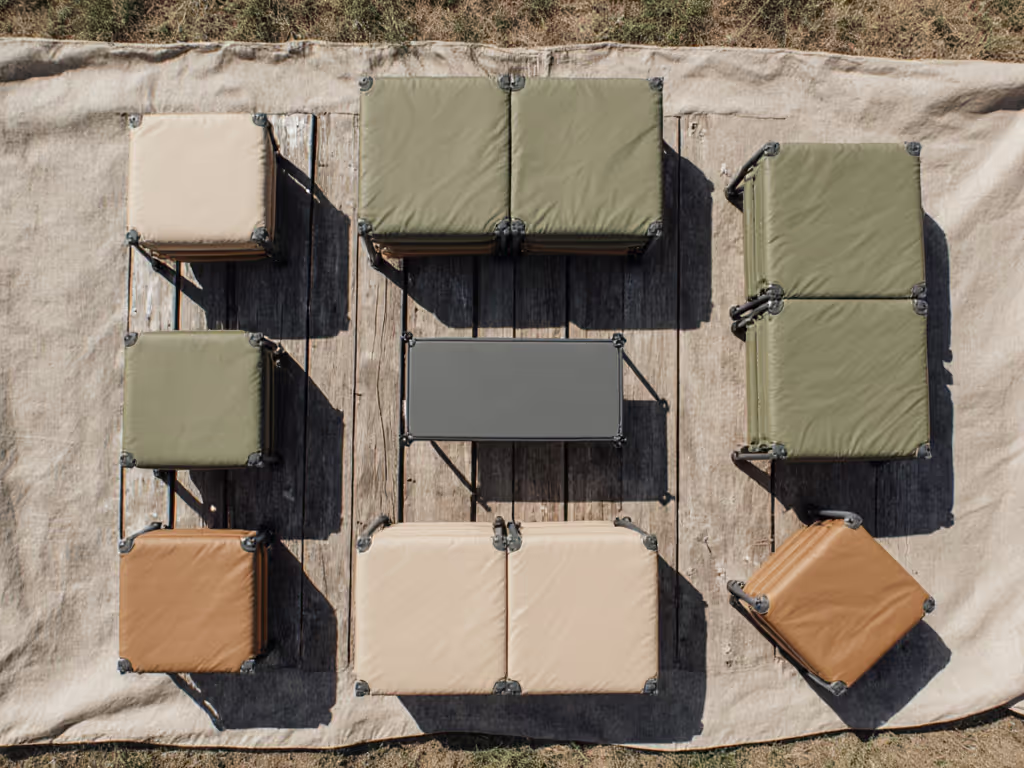
Forget buying isolated pieces. Start with one anchor point and build outward. This is how I blueprint nature observation furniture systems for stress-free deployment:
-
Lock Down Your Dining Core: Choose a table first with these specs: 26" height, 28x60" surface, and integrated tie-down points for wind. This forces compatible seating height (18" chairs). Use our ergonomic camping tables guide to dial in height, leg clearance, and tie-downs. Metric test: Pack volume must fit under your cooler lid. No compromises.
-
Select a Chair Platform: Pick chairs with:
- Adjustable seat height (14"-19" range via risers)
- 5+ inch foot diameter (or sand plate compatibility)
- Stackable design (max 4 chairs nest in 18x18x24")
- Add Observation Specialties: Only after core zones are stable, add dedicated low-profile seats (12-14" height) with side pockets for optics. Rule: These chairs must store under your dining table when not in use (no extra pack space).
Buy once, buy right: This isn't about buying more (it is buying smarter). A $400 modular system (table, 4 chairs, 2 observation stools) used 20+ times costs $20 per trip. Contrast that with $250 in mismatched gear failing by trip 5, then requiring $300 in replacements. The math is clear: spend once on fit, not twice on fixes and returns.
Final Thought: Silence Starts With Your Foundation
The best gear disappears. When your chair doesn't creak, your table stays put on shifting sand, and your seat height lets you watch a heron fish without moving, you fade into the landscape. Wildlife notices less, and you experience more. Stop treating camp furniture as disposable. Build a system that works in concert: heights aligned, terrain mastered, and silence preserved. Your next observation (whether it's a fox at dusk or a dawn chorus) is waiting.
Your Actionable Next Step: Measure your current camp chairs and table right now. If seat height > table height = 7 inches (e.g., 18" chair + 26" table = 8" gap), prioritize height-harmonized seating. Scan your gear for one modular upgrade that bridges the gap (e.g., risers for existing chairs). One fix creates ripple effects: less noise, less fidgeting, and a camp that feels like a true observation post.
Remember: The goal isn't just comfort. It's becoming part of the quiet your surroundings demand.
Related Articles