Van Conversion Furniture: Height-Matched Systems Compared
By Diego Matsuura • 31st Mar
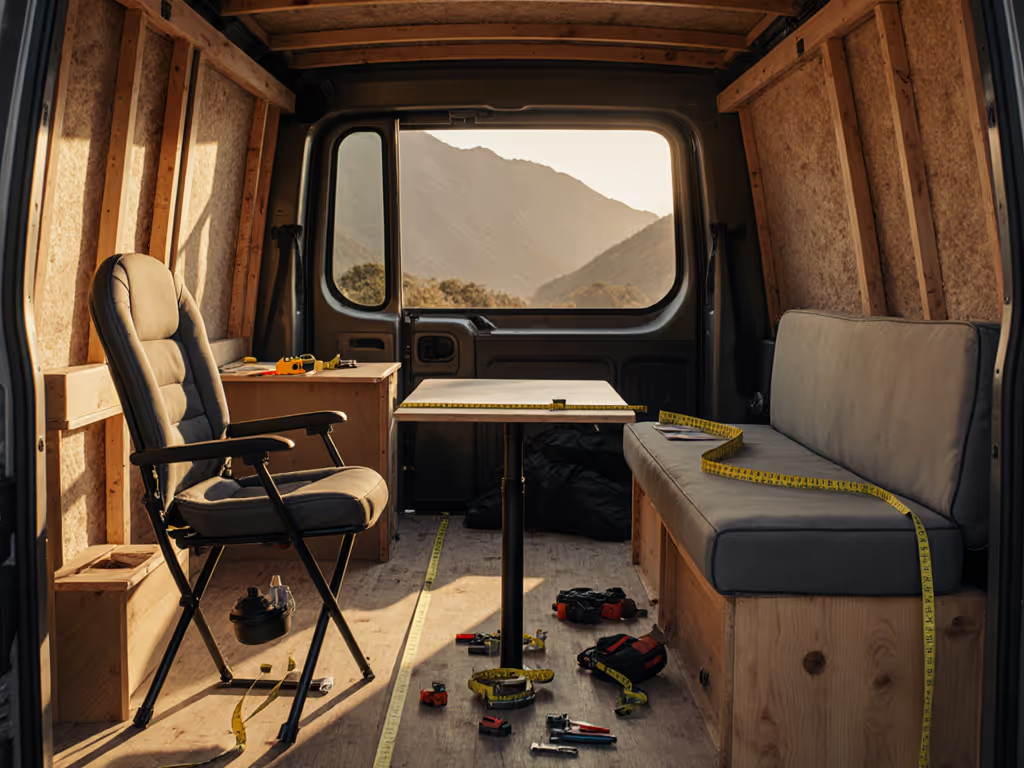
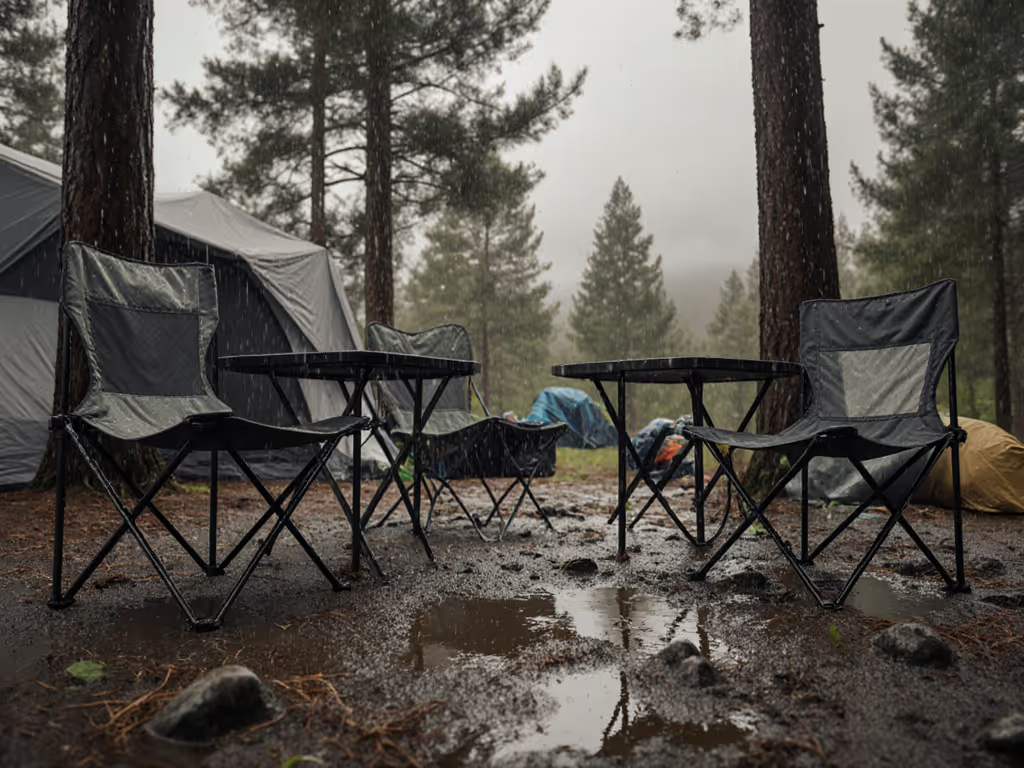
When your group settles around a table for a meal that stretches three hours (eating, talking, playing cards), your furniture isn't just sitting; it's supporting a core part of why you're camping. Yet most people assemble van conversion seating by grabbing what fits or what fits the budget, not by asking whether the van conversion furniture actually fits the human body at the height where comfort lives. The result: a shoulder ache by dessert, a knee cramp during a card game, or a subtle tension that makes people want to stand and move instead of linger.
I've spent years measuring the gap between seat and table, the angle of backrest to thigh, the reach from armrest to cup holder. What I've learned is this: comfort is geometry working quietly in your favor. Not padding. Not aesthetics. Not brand names. Geometry.
Why Height Matching Matters More Than You Think
Van life furniture is uniquely constrained. You're not furnishing a dining room with unlimited floor space and fixed ceiling height. You're solving a three-dimensional puzzle where every inch saved in packing volume is an inch gained for cooler, water, or stove fuel. And you're doing it while managing the real-world forces: uneven ground, sand that swallows legs, wind that tips tables, and the physical demands of a long sit after a full day of driving. For posture mechanics and seat angle basics, see our camp chair geometry guide.
Mismatched heights (where your chair seat sits three inches too low relative to your table) create postural tax: forward shoulder lean, wrist bend at an angle that strains forearms, and a core that tenses to stabilize your torso. After one meal it's annoying. After three days of it, your lower back reminds you why geometry matters.
Height matching is the foundation of van life ergonomics. And it's measurable.
The Core Principle: Seat-to-Table Fit
The standard dining ergonomic guideline calls for 10-12 inches of clearance between the top of a seated person's thigh and the underside of the table. If you're selecting a table, our ergonomic camping tables guide explains height, apron design, and leg clearance in detail. This means if your table surface sits 30 inches high (a common camping height), your seat should position your thigh roughly 18-20 inches from ground.
Most traditional camping chairs place your sitting height (the point where your body contacts the seat) between 14-17 inches from ground. That's why they feel low at a tall table and why your shoulders creep toward your ears.
Rock and roll bed systems, common in camper van conversions, establish another anchor point. These mechanized beds typically lock into a 3/4-width seating position at heights ranging from around 16-20 inches and can extend to sleeping surfaces of 1.85-1.92 meters in length with optional extenders. When designed well, a rock and roll setup doubles as a dining bench during the day if the height aligns with your other seating and your table. When it doesn't, you create friction: some guests sit at the bench (lower), others on camp chairs (higher), and everyone contorts slightly to find a comfortable elbow position.
Measuring What Matters: The Comparison Framework
To choose furniture that actually works together, you need to think like a system designer. Here's what to measure and compare:
1. Seat Height (Ground to Top of Seat Cushion)
This is the first decision point. Common options in mobile camping seating comparison:
- Low loungers: 12-14 inches. Ideal for fireside, poor for dining.
- Standard camp chairs: 15-17 inches. Versatile; works at most tables with minor adjustment.
- Dining-height chairs: 18-20 inches. Pairs with tables 30+ inches high; harder to relax in for non-dining use.
- High-output camping chairs: 20-22 inches. Excellent for older or taller campers; reduces strain on knees and back when standing.
For a group with ages 8-65, you're unlikely to find one magic height. Instead, plan for layering: a primary seating height (say, 17 inches) that works for most meals and games, plus one or two lounge options (14-15 inches) for relaxation.
2. Table Height and Leg Clearance
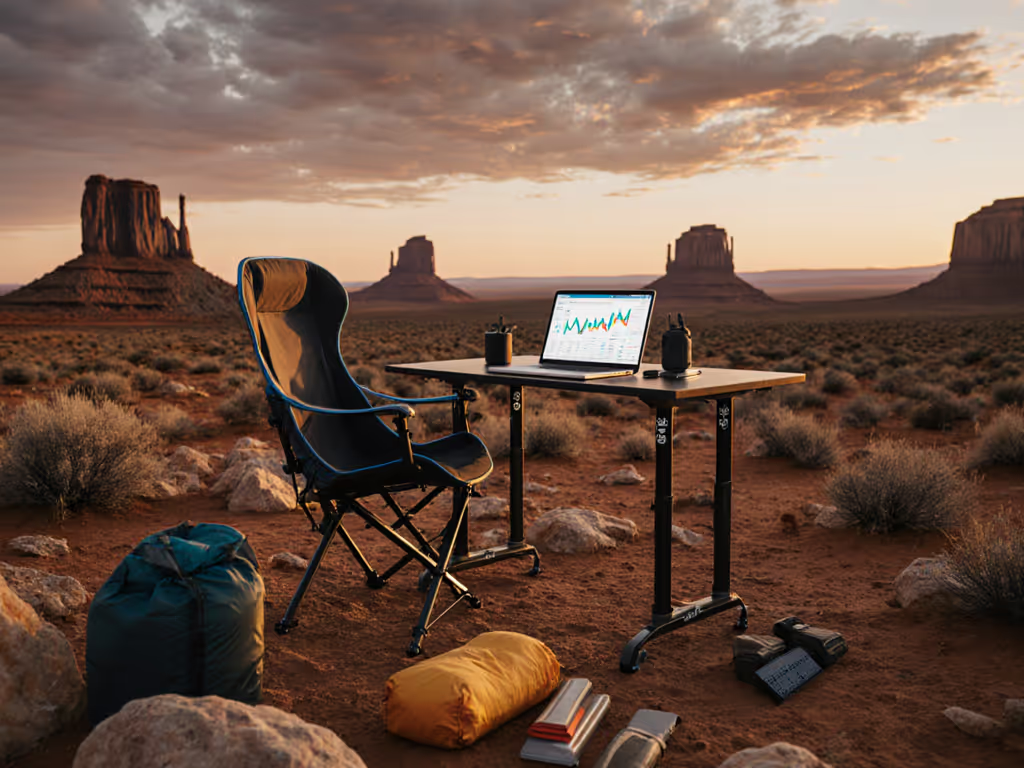
Most space-efficient van setups use tables between 28-32 inches high. Lower (28 inches) saves pack volume and suits lower chairs; higher (32 inches) works better with dining-height or high-output seating and provides more leg room for taller users.
But table height alone isn't the full picture. You also need to know leg-well depth: how much room between table edge and the cross-brace underneath. In tight van conversions, this can drop to 10-12 inches, which pinches knees and forces shuffling when you want to sit close and relax.
3. Seat Depth and Backrest Angle
A shallow seat (front-to-back depth of 14-16 inches) works for meals and short sits; a deeper seat (18-20 inches) distributes pressure better for long lounging and gaming sessions. Backrest angle matters equally: an upright back (85-90 degrees from seat) is formal and can tire your lower spine; a reclined back (95-105 degrees) suits relaxation but makes reaching a table awkward.
Comfort is geometry working quietly in your favor.
The best dining chairs balance an upright enough back (90-95 degrees) with enough depth (16-18 inches) that you can settle in for a three-hour stretch without your pelvis sliding forward or your shoulders bunching.
4. Pack Volume and Footprint
A camping table that's perfect ergonomically but folds to a 48-inch bundle won't fit your van. Compare:
- Pack length (longest dimension when folded)
- Pack width (usually narrower)
- Pack depth (thickness when nested or rolled)
- Total pack volume (use this to verify it coexists with your cooler and water)
Modular van furniture systems nest intelligently: four chairs that stack inside each other, a table that breaks into two pieces, side tables that tuck into the main table frame. For reconfigurable van kits that switch between dining, lounging, and sleeping in minutes, compare our modular van furniture systems. This is where geometry and packing efficiency align.
5. Stability on Uneven Ground
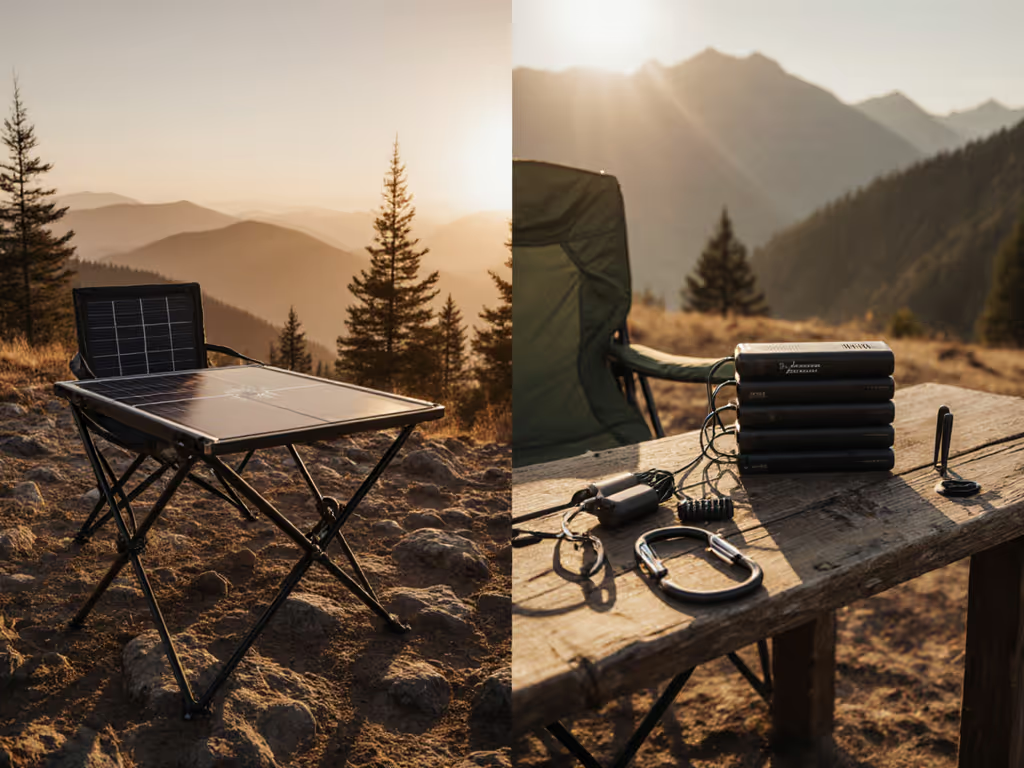
A table with four thin straight legs will rock on sand or gravel. A table with splayed legs (angled outward) or feet that adjust (like screw-in feet or sand plates) remains level across terrain. See which models stayed level in wind and on sand in our stability-tested folding tables comparison. Measure:
- Splay angle (how much the leg angles outward)
- Foot design (flat pad vs. sand plate vs. adjustable screw)
- Stated load capacity (important for trust; poor furniture hides this)
For chairs, a wider footprint (farther distance between front and rear legs, or side to side) resists tipping on slopes. A chair with legs that splay more than 15 degrees outward feels safer to sit in on a hillside.
The Typical Van Conversion Furniture Options: Compared
Rock and Roll Beds as Seating
When they work: A rock and roll bed provides a multipurpose bench that doubles as both lounge and extra dining seat. Models from brands like Streamline, Fabworx, and Smart Beds offer M1 crash-tested, TUV-approved reliability and gas-assisted mechanisms for effortless conversion. Prices typically start around £650 for entry-level options and climb to £2,800+ for premium systems like the RIB Altair, which includes a flip-over feature for quick transitions and integrated storage that can hold a bicycle or gear bin.
The geometry: A rock and roll bed in its upright seating position places your thigh at roughly 17-18 inches high. If you pair it with a 30-inch table, you get roughly 12-13 inches of clearance. Perfect. The backrest angle is usually 85-90 degrees (fairly upright), which suits meals but can tire your spine after 90 minutes of lounging.
The tradeoff: The bed occupies length and width in your van. You can't move it. It's committed. If your table is 32 inches high instead, the height mismatch becomes noticeable (you are reaching up slightly). And when not in use, the bed dominates visual and physical space.
Standalone Dining Chairs
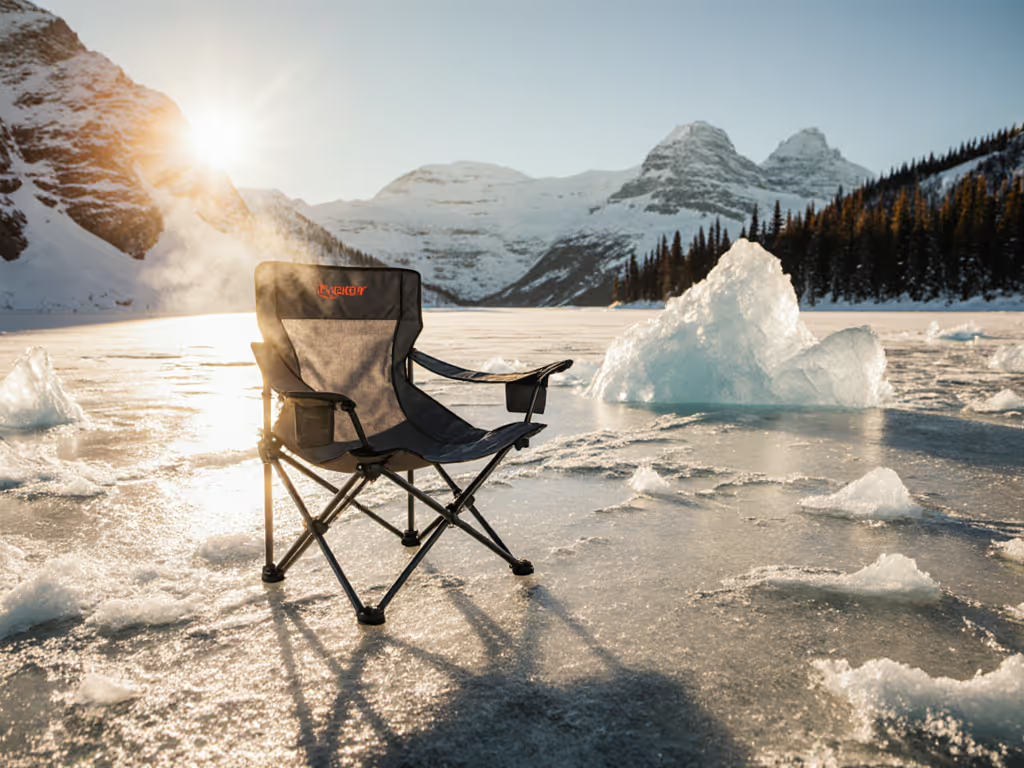
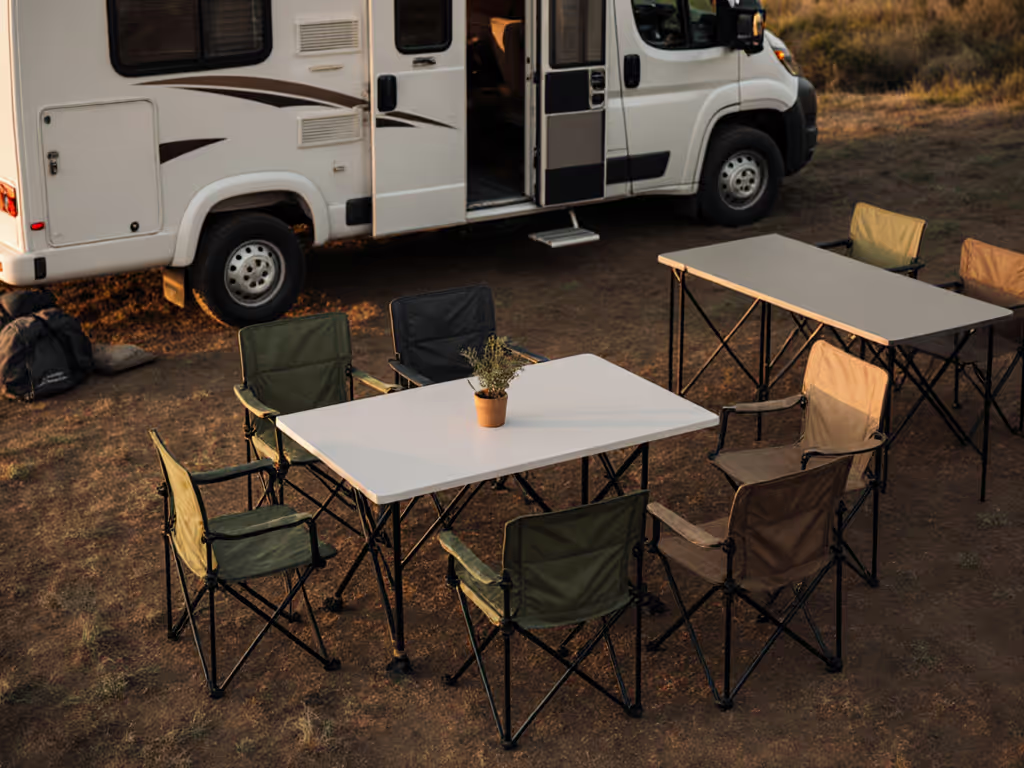
When they work: A set of four or six standalone camp chairs gives you flexibility: you can position them anywhere, adjust them around any table, and remove them entirely for open-floor days. Styles range from low loungers (great for firesides, terrible for dining tables) to high-output chairs (18-22 inches) designed for older adults or tall people who struggle to stand from low seats. For tall campers, start with our height-friendly furniture picks to avoid knee-crunch setups.
The geometry: Standard camp chairs (15-17 inches) match a 28-30-inch table beautifully and offer enough versatility for both dining and casual lounging. Higher-output chairs (18-22 inches) pair with taller tables and reduce the knee-to-standing strain that affects older or less mobile campers.
The tradeoff: Four standalone chairs consume significant pack volume. Imagine four chairs nested or rolled: you're looking at 45-60 inches of length when folded. They also create cognitive load: you have to set them up and arrange them every trip. And if you have six people, four chairs aren't enough, so you're constantly juggling.
Convertible Seating (Rear Seats That Fold into Beds)
When they work: Some camper van designs, like the Forty Winks system for VW T5/T6 conversions, allow you to recline rear factory seats into a double bed while keeping the seats functional for daily driving and daily lounge use. When raised back, they serve as a couch or extra seating; when folded flat, they're a sleeping surface. At roughly £650, this is cost-effective if your van already has robust rear seats.
The geometry: Factory rear seats are engineered for vehicle safety, not camping comfort. They typically sit at 16-17 inches high (car height) and have stiffer backrests angled closer to 80 degrees (more upright than ideal for long lounging). The tradeoff is that they're already in your van, so you're not adding pack volume.
The tradeoff: Limited customization; the seat height and angle are fixed. Backrest comfort is often mediocre because the seat is engineered for 20-minute commutes, not three-hour game sessions. And this setup only works if your van has rear seats designed for this dual function.
Bench Seating with Storage Underneath
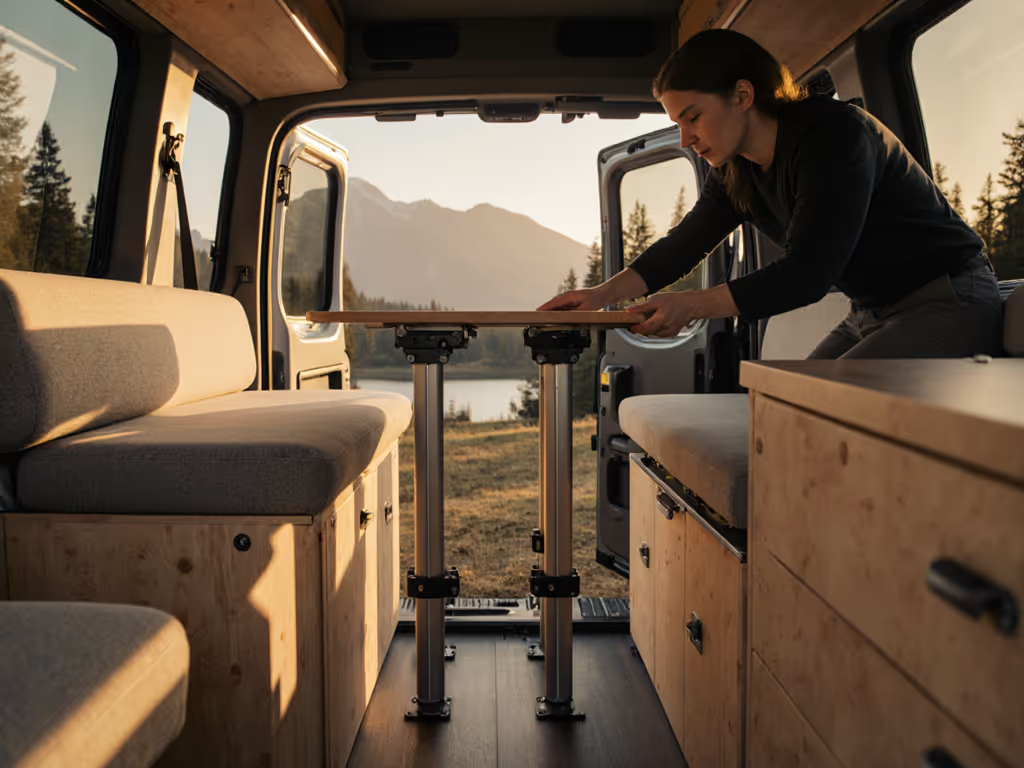
When they work: A long bench seat running along one wall (often the passenger side, facing an interior table or kitchen) gives you seating that doesn't consume separate pack volume. It's built in. Height can be designed to match your table. Storage underneath replaces otherwise unusable dead space.
The geometry: If designed correctly (seat height 17-18 inches, backrest angled 92-95 degrees, depth 18-20 inches), a bench is excellent for long meals and social lounging. The fixed position means you can't rearrange; you commit to that spatial layout every trip.
The tradeoff: High upfront labor and cost (usually custom-built during van conversion). Once installed, it's permanent. If your table height or group size changes, you're stuck. And bench seating doesn't work well for people of very different heights. The geometry that suits a 5'4" person awkwardly positions someone 6'2".
A Real Scenario: The Beach Trip Problem
I watched a group of six arrive at a beach campsite on a Friday afternoon. They had a folding table (28 inches high, wobbly on sand), four low camp chairs (14 inches, designed for fireside), and a rock and roll bed in their van (17 inches high, used as auxiliary seating during meals).
When they sat down for dinner, two people perched on the rock and roll bed, four on camp chairs. The bed-sitters were looking down at the table. The chair-sitters were reaching up. No one's forearm rested level. After 20 minutes, shoulders tensed. By dessert, people were standing and moving. The table, pressed into soft sand, sank on one side, tilting everything. Drinks slid.
On Saturday, they measured. They dug out the sand under two legs and re-leveled the table. They swapped three of the low chairs for taller options they'd packed "just in case." Suddenly, everyone's thigh-to-table gap was 11-12 inches. Elbows rested level. They sat for a full three hours that evening. Laughing, playing cards, lingering without that underlying physical frustration.
It wasn't the chair that changed. It wasn't the table. It was the geometry (seat height relative to table height, and table level relative to ground).
Building Your System: A Step-by-Step Approach
Here's how to assemble multi-functional conversion seating that actually works together:
Step 1: Choose Your Primary Table Height
Decide based on your van's interior and your typical group. Most space-efficient van setups default to 28-30 inches, which fits standing leg room (useful for meal prep) and works with standard camping chairs. If you're designing a built-in table in your conversion, 30 inches is the safe choice. If you're selecting standalone tables, write this number down.
Step 2: Select a Primary Seating Height
Math: Table height minus 12 inches = target seat height. For a 30-inch table, aim for 18-inch seats. For a 28-inch table, aim for 16-inch seats. This creates the ideal 12-inch thigh clearance.
Now choose whether that seat is a rock and roll bed (fixed, multipurpose), standalone chairs (portable, flexible), a bench (integrated, permanent), or a mix. A mix is often best: a rock and roll bed provides lounge-seating and sleeping, plus two or three standalone dining chairs for flexibility and overflow.
Step 3: Measure Backrest Angles and Seat Depth
If buying seating, ask the manufacturer for backrest angle (92-96 degrees is ideal for dining and moderate lounging) and seat depth (17-19 inches is the comfort zone for long sits). If you can't find this data, test in person or rent a similar van with comparable seating before committing.
Step 4: Test Stability and Leg Clearance
Set up your table and chairs on uneven ground (sand, gravel, or a slope). Rock the table. Do the legs flex or do they hold firm? Can you sit with your knees under the table without your thighs brushing the apron? If not, you need a table with a deeper leg-well or shorter legs.
Step 5: Calculate Pack Volume
Measure each piece when folded: length x width x depth. Add them up. Ensure the total is less than your van's available storage after accounting for cooler, water jugs, and essential gear. If furniture pack volume exceeds 40% of your available space, it's too much. Scale back or choose nested/stacking options.
Step 6: Test a Full Setup Before a Multi-Day Trip
Rent or borrow the furniture and mock up a full meal in your own yard or a local park. Eat breakfast and lunch, play a game, recline for an hour. Feel where discomfort creeps in. Measure again. Adjust before you commit to a trip.
The Actionable Path Forward
Start with three decisions:
-
Measure your table height (or choose it if you're building a conversion). Write it down.
-
Calculate your target seat height: table height minus 12 inches. If your table is 30 inches, target 18-inch seats. If 28 inches, target 16-inch seats.
-
Visit a camper van conversion showroom or rental lot, sit in their seating, and check: Does the backrest feel supportive for a 90-minute sit? Is the seat depth comfortable? When you sit at their table, is the thigh clearance roughly 11-13 inches? Can you see yourself lingering there for hours?
Once you've confirmed the heights and angles feel right, source those pieces: a rock and roll bed at your target height, standalone chairs that complement it, and a table that slots into the geometry.
The beach camp anecdote I began with wasn't a failure. It was a lesson in why measuring matters. My dad didn't need a different chair. He needed geometry working quietly in his favor: the right seat height, a level table, and ground support that didn't shift. Once those angles aligned, he stayed for dessert and stories.
Your van furniture is the same. Get the geometry right, and comfort follows. Everything else (cushions, color, brand) is refinement. But geometry? That's non-negotiable.
Related Articles