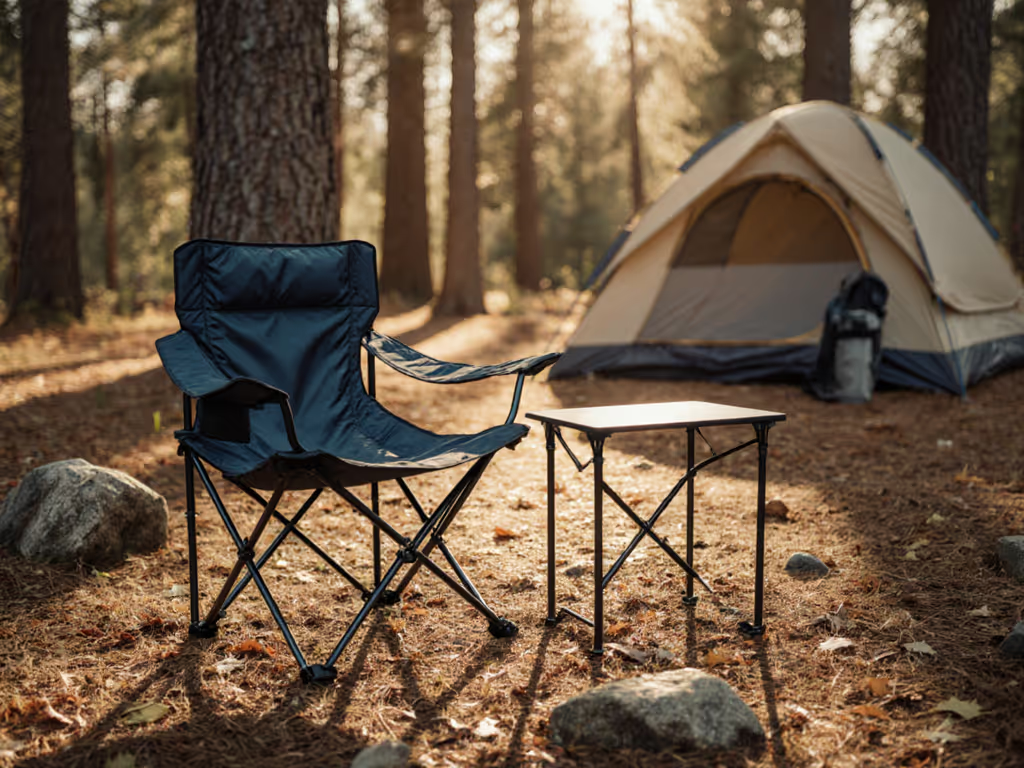
Master No-Furniture Camping: Comfort Without the Gear
By Nadia Okoye • 29th Nov
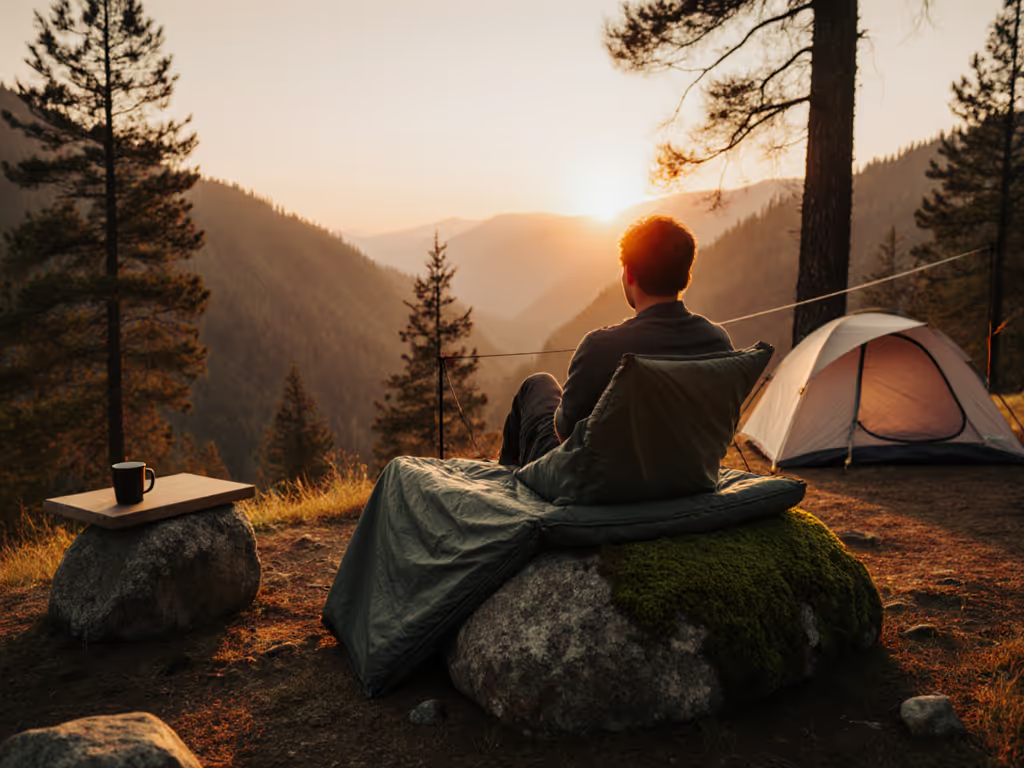
Forget hauling bulky chairs and wobbly tables that eat trunk space and triple your setup time. True camp comfort isn't about the best camp furniture; it is about strategic ground choreography. When you master no-furniture camping, you trade frustration for flow, turning tired arrivals into calm, social spaces in under 15 minutes. I've seen groups transform rocky riverbanks into functional lounges using nothing but terrain and timing. It starts with releasing the myth that you need gear to sit comfortably. If you do want to shape on-site comfort, try our wilderness furniture building guide for safe, stable log-and-stone seating.
Why "No Furniture" Isn't Sacrifice: It Is Smarter Campcraft
Most camp chaos begins with one assumption: "We need chairs." But mismatched seat heights cause back pain, sinking legs ruin dinners, and packing Tetris delays your first hot meal. No-furniture camping turns constraints into advantages. You're lighter, faster, and more adaptable to sand, rock, or sloping ground. Crucially, it eliminates setup anxiety: no lost parts, no assembly fails. When wind howled as we arrived at dusk last season, my group's "furniture" was a line of smooth logs. The kids ate snacks while we anchored the windbreak. That's when I knew: choreograph setup, and the whole weekend slows down.
The Groundwork Sequence: 5 Minutes to a Functional Base
Your first 300 seconds determine camp success. If you prefer to use gear, see our seamless camp furniture setup guide for a fast, furniture-based layout. Execute this silent sequence as soon as you step out of the vehicle:
-
0:00 to 1:00: Scan & Stage
Identify natural features: fallen logs, rock ledges, or gentle slopes. Clear debris from two 3x6 ft zones (one for dining, one for lounging). Pro tip: If terrain is flat, dig shallow trenches (6" deep) where seats will go. They create defined zones and keep hips elevated. -
1:00 to 3:00: Anchor Your Windbreak
Pitch your tarp before unpacking anything else. Hang it low (2 ft off ground) perpendicular to wind direction. Use trekking poles or saplings as uprights. This creates instant shelter for seating zones and stops gear from blowing away mid setup. -
3:00 to 5:00: Stage Ground Insulation
Lay out closed-cell foam pads (like the Therm-a-Rest Z Lite Sol) or folded tarps where seats will go. For cold nights, use the tactics in our cold-weather camp furniture guide to block ground chill and drafty crosswinds. Angle them slightly downhill for natural lumbar support. This is safety by design: cushioned surfaces prevent slips on damp ground and create tactile boundaries for kids/pets.
Five-minute camproom isn't magic, it is physics. Gravity and terrain do the work when you sequence smartly.
Natural Seating Solutions: Better Than Chairs
Forget unstable camp chairs. Your terrain offers ergonomic seating that adapts to any group size:
- Log Lines: Position fallen logs parallel to dining zone. Fill gaps between logs with gravel for stable footing. Height tip: Logs 14-16" high align perfectly with picnic blankets as tables.
- Rock Benches: Cluster waist-high boulders in a U-shape. Drape a thermal blanket over them for instant lumbar support. Ideal for fire circles: radiant heat warms stone seats.
- Slope Seating: On gentle inclines, dig shallow "steps" with your heel. Backrests form naturally from the earth. Cover with foam pads for comfort. Critical for older campers: test stand-up angles beforehand, knees should bend at 90 degrees. If standing is tough, our easy-rise senior camping chairs picks explain heights and handles that reduce strain.
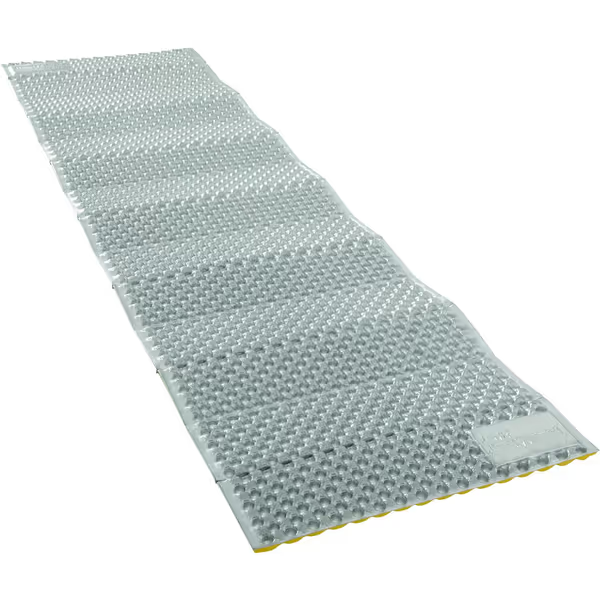
Therm-a-Rest Z Lite Sol Sleeping Pad
Dependable, lightweight insulation for comfort and warmth on any adventure.
$37.39
Weight10 ounces
Weight10 ounces
Pros
Reflective coating adds 20% warmth (R-Value 2.0).
Closed-cell foam is durable and lightweight.
Cons
Not as plush as inflatable pads.
Customers find the sleeping pad incredibly comfortable and appreciate its lightweight design, with one noting it's particularly suitable for cold weather hammock hiking-camping.
Customers find the sleeping pad incredibly comfortable and appreciate its lightweight design, with one noting it's particularly suitable for cold weather hammock hiking-camping.
Wind-Proof Table Alternatives (No Legs Required)
Wobbly tables collapse when wind hits. Swap them for anchored surfaces:
- Stump Central: Find a flat-topped stump slightly lower than your seating height (ideal: 12-14"). Wrap cord loops around its base for hanging drink holders or utensil rolls.
- Log Raft: Lash two parallel logs (4-6 ft long) with paracord. Place a sturdy plank or folded tote lid on top. Wind hack: Angle the long edge 45° into gusts, which reduces sail effect by 60%.
- Tarp Dining: Stretch a footprint tarp 18" off ground between trees. Slide foam pads underneath its edges for rigidity. Top with a plastic sheet, which wipes clean instantly. Height check: Knees shouldn't bend past 90° when seated.
Safety & Social Flow: The Unseen Framework
No-furniture camping shines in crisis moments. When toddlers bolt or pets chase lizards, your camp has no trip hazards. No chairs to knock over, no tables to crash into. Design your layout using these principles:
- Zone Boundaries: Place sleeping pads between dining/lounging zones. Creates visual + physical separation so kids know where to play.
- Kid Anchor Points: Tie rope between trees at waist height where seating ends. Gives small hands something to hold while walking, which prevents stumbles into fire rings.
- Pet Pathways: Leave 24" clear lanes between zones. Use rocks to mark paths so animals follow defined trails instinctively.
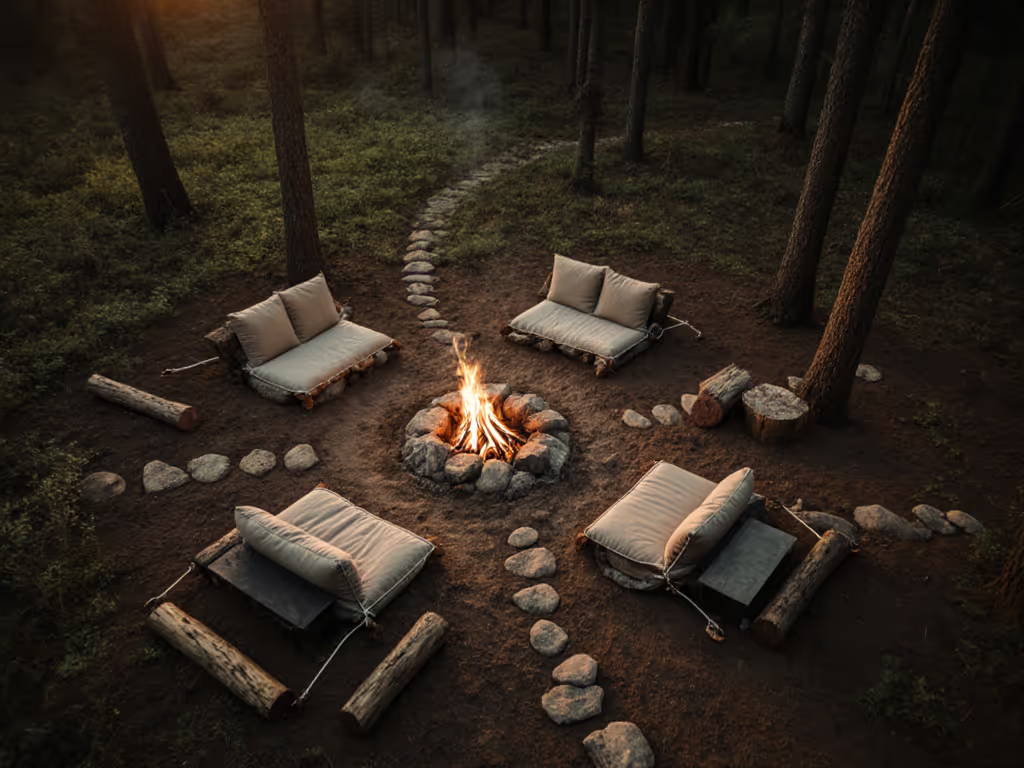
The 10-Minute Confidence Check
Before lighting your stove, run this silent checklist:
- Stability Test: Press down hard on each seating zone. If your hip sinks >2", add more gravel or reposition.
- Wind Scan: Toss grass clippings in air. If they drift toward dining, re-angle your tarp windbreak.
- Safety Sweep: Crawl through camp on hands and knees. Remove anything sharper than a pencil tip within reach.
When everything clicks, you'll feel it: The group settles into conversations faster. Kids build forts with fallen branches instead of complaining. You're not camping without furniture, you've built a responsive, terrain-hugging camproom. Setup time drops from 40 minutes to 10. Stress dissolves because safety by design means no frantic stake adjustments as darkness falls.
Your Actionable Next Step: On your next trip, arrive 20 minutes before dark. Execute the Groundwork Sequence exactly as timed. Note where your group naturally gathers. That's your terrain telling you where to sit, no furniture required. Master this once, and you'll never stress about chair heights or trunk Tetris again. If you later add a minimal kit, start with our space-saving furniture picks that pack small but match ergonomic heights.
Related Articles