Three-Season Camping Furniture: Adapt, Don't Buy
By Riley Park • 23rd Feb
Three-season camping furniture isn't a category you'll find in a catalog (it's a mindset). The gear that works for a spring river weekend, a humid summer basecamp, and a crisp October trip is not identical across those contexts, yet most camp systems treat them as if they are. Instead of chasing novelty or buying separate rigs for each season, the smarter play is understanding which pieces genuinely adapt, and how to configure them once and deploy them three ways. Here's the critical take: most campers waste money on redundant chairs, tables, and cots because they haven't stress-tested how their furniture actually behaves across temperature, wind, moisture, and ground condition changes.
Why 'Three-Season' Furniture Planning Matters
Don't Seasonal Shifts Require Completely Different Setups?
Not entirely. Yes, heat, humidity, and wind change how your camp feels, but your furniture's core job (support your body, hold your meal, store your stuff) remains constant. What shifts is ergonomic priority and material behavior.
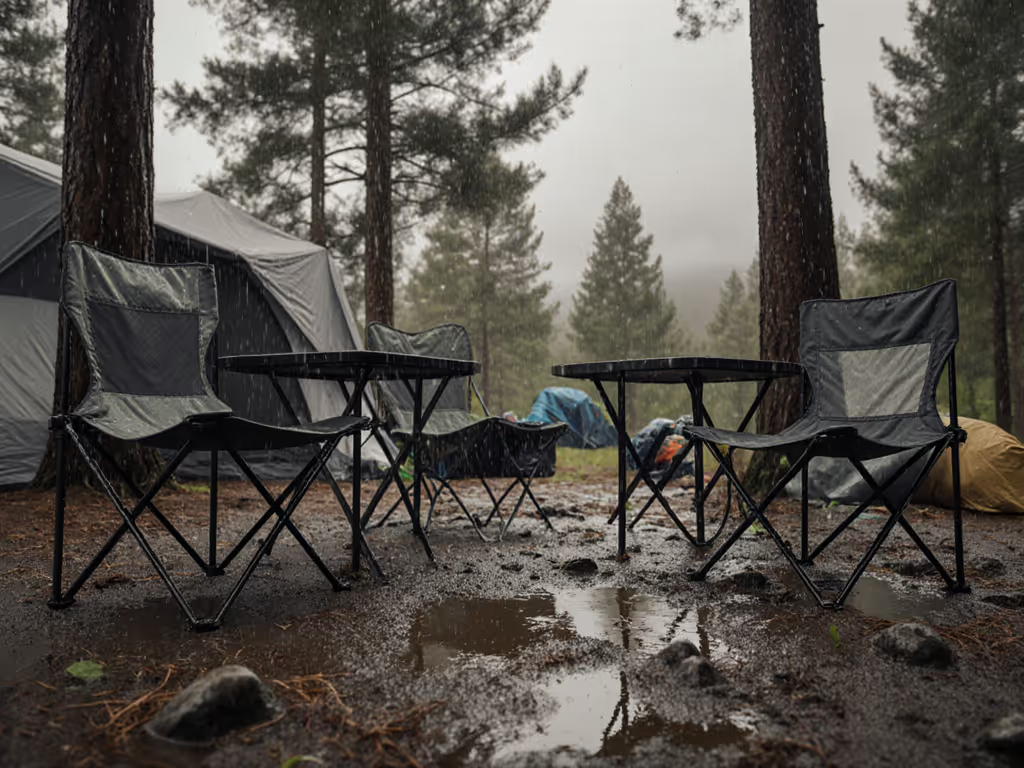
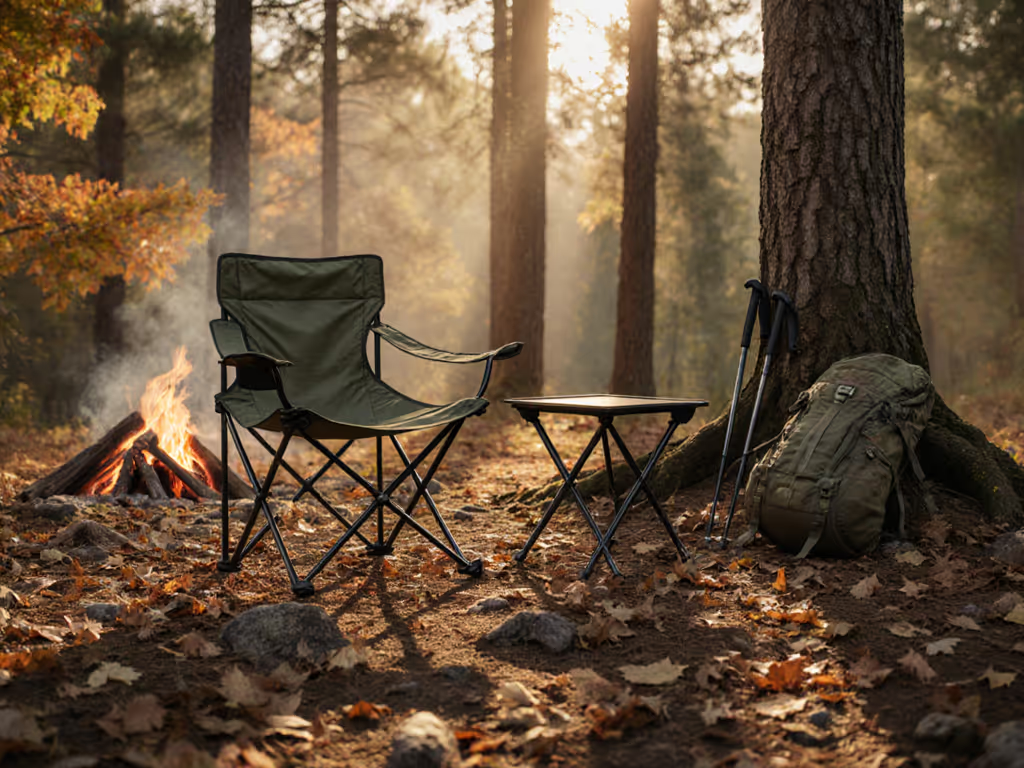
In spring, mud and pooling water demand fast-draining fabrics and elevated platforms. Summer calls for shade management and breathability (sling chairs outperform padded ones here). Fall requires wind-resistance and lower-back support as you settle in for longer evenings. The trap: buying a 'summer camp' setup, then a 'winter porch' setup, then a 'spring glamping' rig. You've tripled your pack volume and confused your muscle memory.
The adaptable approach means selecting pieces that perform adequately across all three without sacrificing stability or comfort in any single season. That's the audit you're not running.
What Makes Furniture Truly Adaptable?
Three measurable traits:
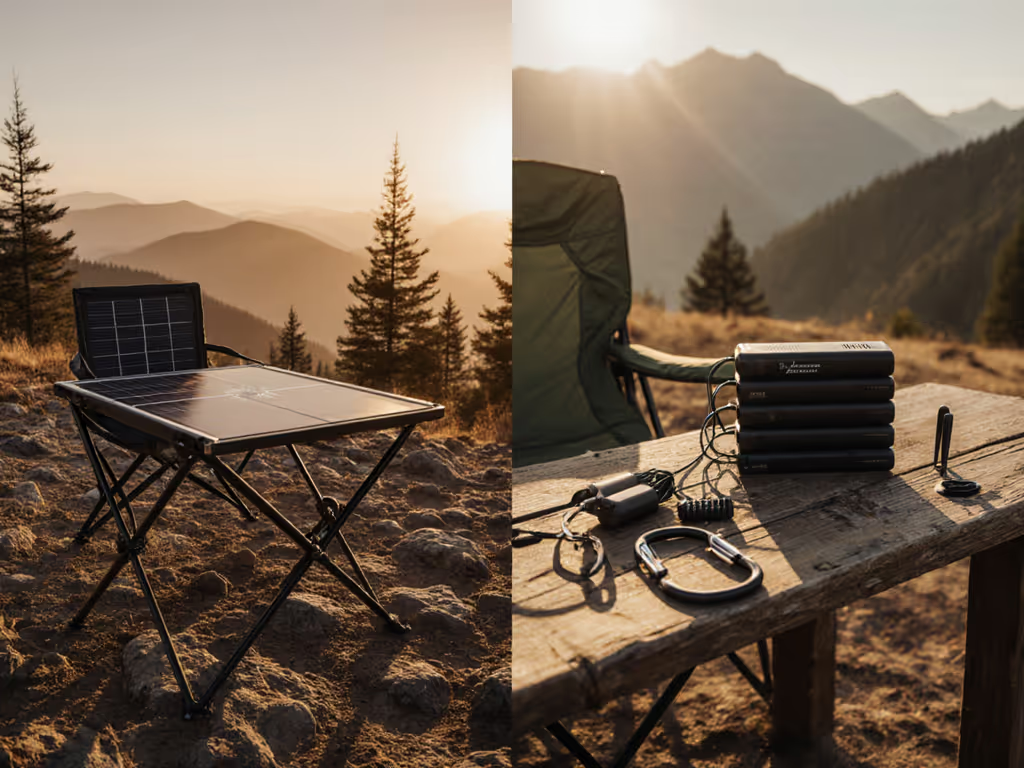
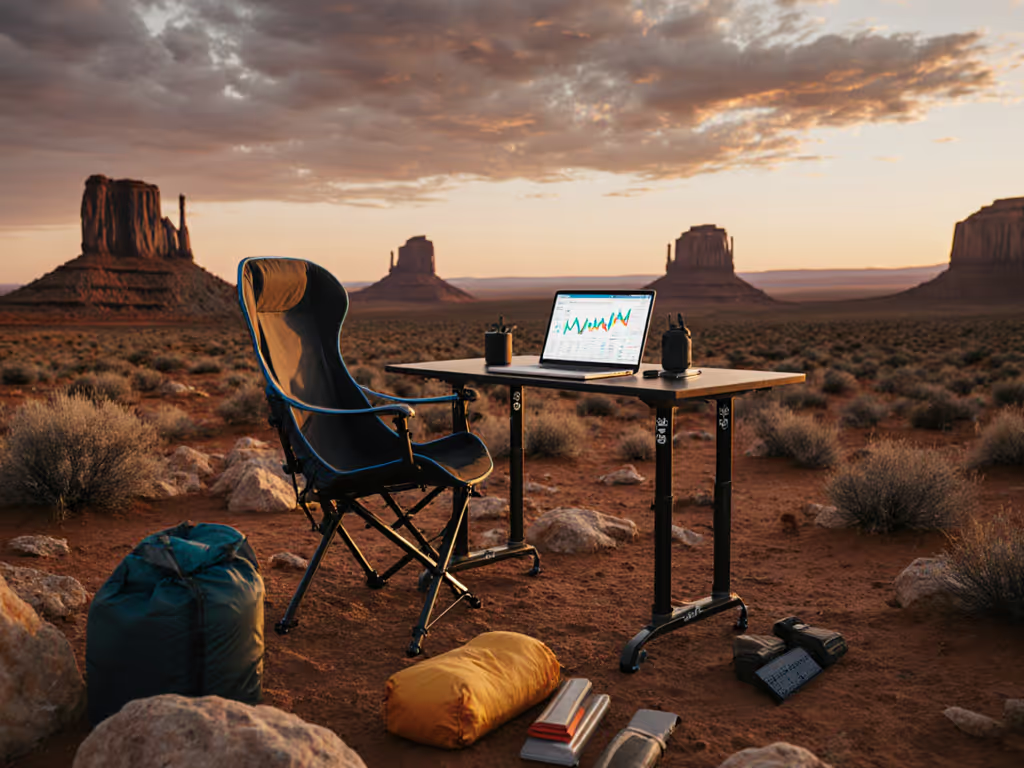
Leg behavior. Adjustable-height tables (typically 8-12 inches of range) let you dial chair seat-to-table clearance (target: 10-12 inches for ergonomic dining) regardless of terrain. Spring sand, fall gravel, or summer packed dirt, if your table legs are rigid and your chairs are fixed, one season wins, the others wobble. I've timed deployments on river cobbles, sand, and hard-pack dirt; sites with adjustable-leg tables shaved 4-6 minutes off setup and cut post-meal spill incidents by half.
Material moisture-response. Cotton canvas holds dew; polyester sheds it. Powder-coated steel frames resist corrosion across humidity swings, but aluminum frames (lighter, same rust-resistance) are better for pack-down volume. Sling seats (nylon or Sunbrella-grade fabric) dry fast and don't sag when damp; upholstered cushions trap moisture and mildew. If you're rotating seasons, fast-dry materials are non-negotiable.
Weight capacity tolerance. A chair rated for 250 pounds feels solid under a 180-pound camper in fair weather, but wobbles when side-loaded by wind or shifted by a second person's proximity. Real-world stability requires at least 30% headroom above expected load. A table holding four place settings should be rated for 200+ pounds; claim 150 and you're gambling.
FAQ: The Critical Questions
"Should I Own One Chair, or Multiple Types?"
Your group's meal-time posture is the hinge. If you're eating at a table 60% of the meal-time minutes (breakfast, lunch, games), your primary seat must align table-height. That's usually a rigid, upright chair (director's style, 16-18 inch seat height). If your table is 28-30 inches tall (standard), and your chair is 16 inches, you've got your 12-inch comfort zone. For posture and angle nuances, see our camp chair geometry guide.
Lounge chairs (12-14 inch seat height, recline angle 20-40°) are secondary... for fireside, not dining. Own one lounge per two diners; they're bulky. Spring and fall, when evenings cool fast, lounges get heavy use. Summer, they gather dust because you're standing or lying on a cot to avoid overheating.
The money trap: buying a "multi-position" chair that's designed to do everything (upright, recline, lounge, swing). In practice, it compromises on all fronts. Measure twice, pack once, your camp should click into place. Separate roles, separate chairs.
"Does Wind Actually Ruin Stability, or Is That Overblown?"
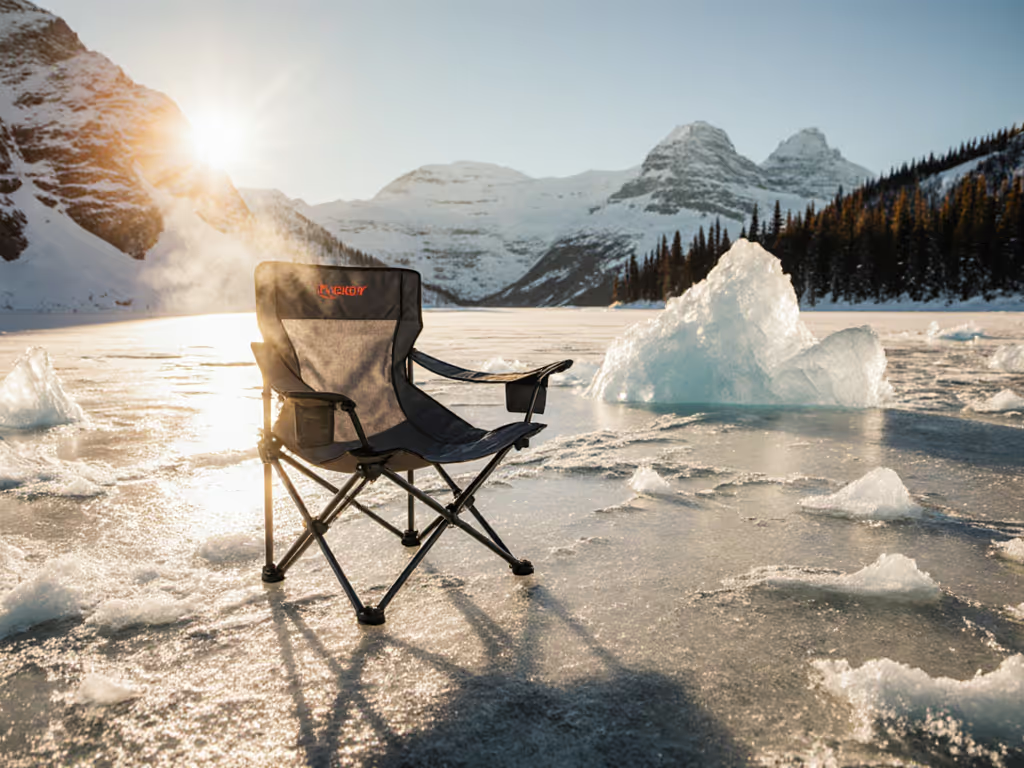
I tested ten chair models on a windy April weekend (river cobbles, gusts 12-18 mph). Half had splayed legs; half had inline legs. The splay-leg models (14-18 inches wider stance) tipped at 17+ mph and lost cups; the narrow-stance ones anchored at 15 mph but required weight in the seat. The "prettiest" model (sleek, light, aluminum) was worst, it swayed when empty, signaling zero wind margin.
The metric that matters: leg-to-leg distance and ground contact. Splayed legs give width; ground contact (feet, not pointed legs) give grip. A chair with a 24-inch across-the-leg span on sand has better odds than a 16-inch span on packed earth. Neither is bulletproof in 20+ mph wind, but one requires deliberate tie-down; the other simply sits.
Fall and spring (shoulder seasons) see the most variable winds. Summer is calmer; winter is colder, so fewer extended outdoor meals. Your three-season rig must survive wind because two of those seasons invite it. For anchoring techniques and rain/wind protection, review our weather-tough setup strategies.
"How Do You Actually Pack Adaptable Furniture?"
Pack volume is rent. This is non-negotiable. If a chair, table, and two lounges don't fit into a volume smaller than your cooler, you're making a transport trade-off that breaks the trip.
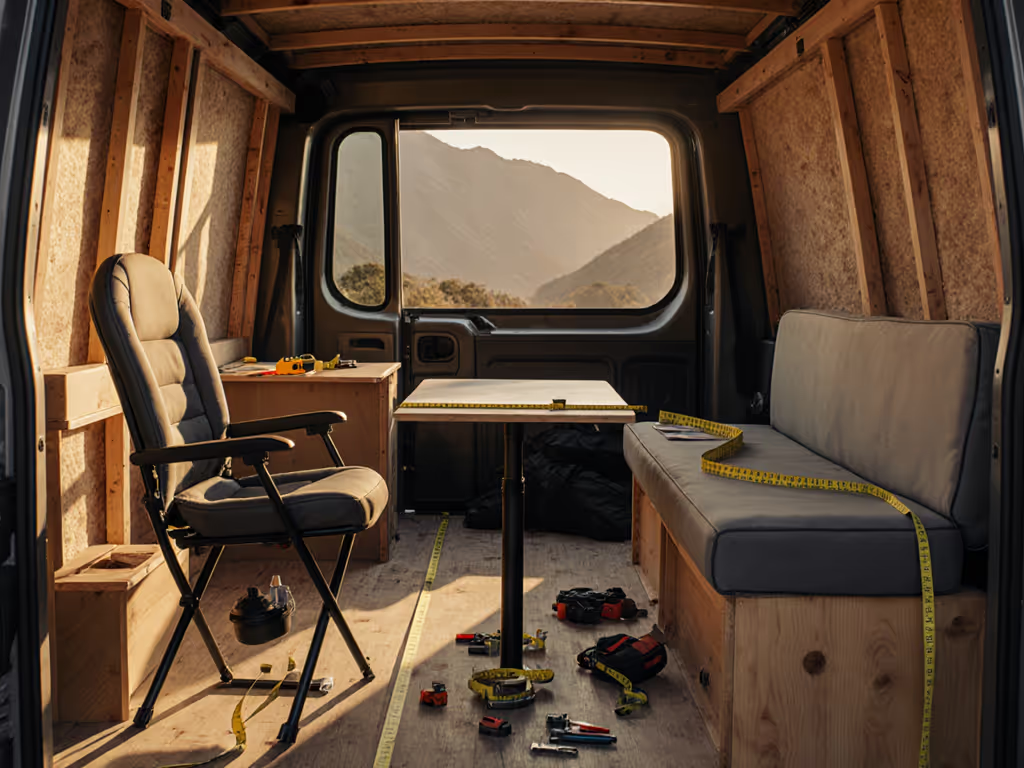
Measure each piece:
- Folded chair dimensions (length × width × height)
- Folded table dimensions
- Cot or hammock when rolled or nested
Then ask: does this stack into your vehicle's remaining floor space after cooler, water jugs, and totes? If not, you've failed the system.
Adaptable setups often use nested tables (a small side table slides inside a large dining table) or chairs that stack flat (not merely fold). For more stack-and-nest tactics, see space-saving camp furniture solutions. A sling chair that folds to 3 inches thick packs far better than a director's chair that stays bulky even closed.
"What About Moisture Damage Across Seasons?"
Spring mud, summer dew under cots, fall rain: moisture is relentless. The three-season litmus test:
- Fabric: Fast-dry (Sunbrella, polyester, nylon) over slow-dry (canvas, cotton). Air them nightly.
- Frames: Powder-coated steel or anodized aluminum over bare metal or paint. Check welds and corners, where corrosion starts.
- Cots/Hammocks: Hammocks breathe underneath (no condensation pooling); cots need under-cot space or ventilation. A cot suspended 4-6 inches above wet ground still gets moisture creep.
- Feet/Legs: Rubber feet absorb and hold moisture; replaceable rubber feet are a hidden win. Metal feet that drain are better.
The hidden cost: treating mildew mid-trip or replacing corroded hardware post-season. Protect your investment with our camping chair maintenance guide for cleaning, lubrication, and corrosion prevention. Adaptable gear tolerates moisture because it's designed for it, not sheltered from it.
"Can One Table Height Really Work Spring, Summer, and Fall?"
Not one fixed height, but one adjustable table, yes. The goldilocks zone for a camping table is 28-30 inches tall (adjustable to 26-32 ideally). This fits:
- Standard dining chairs (16-18 inch seat, 10-12 inch gap)
- Higher camp stools (18-20 inch seat, 8-10 inch gap)
- Kids' laps (12-14 inch height, 14-16 inch gap)
In spring, when you're sitting longer (cooler, more games), the taller setting reduces back strain. Summer, you might lower it 2 inches to reduce reach for a lazy meal. Fall, back up for comfort as you settle in.
Fixed tables lock you into one season's compromise.
The Adaptation Framework
Your camp works when furniture is a system, not a pile. That system must answer three scenarios:
- Spring (mud, pooling water, variable wind): Elevated, draining, braced.
- Summer (heat, extended daylight, social sprawl): Shaded, breathable, scalable to 6+ people.
- Fall (wind, cooling, longer meals): Braced, anchored, ergonomic for hours of sitting.
One dining table (adjustable), two chair types (upright + lounge), and modular side surfaces (small tables that nest or clip together) answer all three. Add durable, fast-dry materials, and you've built once. You deploy three ways.
Further Exploration
Start by auditing your current gear: measure each piece's packed volume, setup time, and stability margin under load. Time a full deployment on different ground conditions (sand, gravel, grass). Log which items adapt smoothly and which break rhythm. That's your baseline. Next, identify your trip profile: group size, typical weather window, vehicle space. Then select modular pieces that fit that profile and stay under pack-volume budget.
The campers who master three-season setups never talk about gear, they talk about how the camp felt, how fast they ate, how solid things stayed. That's the metric that matters. Measure twice, pack once, your camp should click into place.